Thursday, November 21, 2024

What Do White Gums Mean for Your Oral Health and Hygiene

What Do White Gums Mean for Your Oral Health and Hygiene

Decoding Your Gums: What Do White Patches Mean?

A healthy smile boasts pearly whites and vibrant pink gums. But what if you notice a stark contrast â€" white patches appearing on your gums? This isn't a cosmetic concern; it's a potential sign of underlying oral health issues that demand attention. Ignoring these changes can lead to serious complications down the line, so understanding the possible causes is crucial for maintaining optimal oral hygiene.

Understanding the Significance of White Gums

The appearance of white patches on your gums isn't a uniform indicator of a single problem. Several factors can contribute to this discoloration, ranging from relatively benign issues to more serious conditions requiring immediate professional intervention. Some common causes include:

Medication Side Effects

Certain medications, particularly those used to treat high blood pressure, can have a drying effect on the mouth. This dryness can lead to the formation of white patches on the gums as the tissues become dehydrated and lose their natural color. This is often accompanied by a feeling of dryness and discomfort in the mouth. If you suspect medication is the culprit, consult your doctor or dentist; they may be able to adjust your medication or suggest alternative solutions.

Oral Thrush (Candidiasis)

Oral thrush is a fungal infection caused by an overgrowth of Candida albicans, a yeast naturally present in the mouth. While it often manifests as creamy white patches on the tongue, it can also affect the gums, appearing as smooth, white lesions. Individuals with weakened immune systems, those wearing dentures, or those taking antibiotics are at higher risk. Oral thrush requires antifungal treatment prescribed by a dentist or doctor to prevent its spread and potential complications.

Leukoplakia

Leukoplakia presents as white or grayish patches that cannot be easily scraped off. Unlike oral thrush, leukoplakia is a more serious condition, as it can be a precancerous lesion. Smoking and excessive alcohol consumption are major risk factors. A dentist will perform a biopsy to determine the nature of the lesion and rule out cancerous changes. Early detection and treatment are vital.

Lichen Planus

Lichen planus is a chronic inflammatory condition that can affect the skin and mucous membranes, including the gums. It presents as lacy, white patches or streaks that may be accompanied by burning sensations or discomfort. While the exact cause is unknown, it's often linked to an autoimmune response. Treatment focuses on managing symptoms and minimizing discomfort.

When to Seek Professional Help

Any unexpected change in the appearance of your gums warrants a visit to your dentist or doctor. Do not attempt self-diagnosis or treatment. Delaying professional evaluation can lead to worsening conditions and potential complications. Specifically, seek immediate attention if you notice:

  • White patches that are painful or bleed easily.
  • White patches accompanied by difficulty swallowing or eating.
  • Persistent white patches that don't improve after a few days.
  • White patches accompanied by fever or other systemic symptoms.

Your dentist will conduct a thorough oral examination, potentially including a biopsy, to determine the underlying cause of the white patches and recommend the appropriate treatment. Remember, proactive care is essential for preserving your oral health.

How to Restore Your Digestive Health with Natural Probiotics

How to Restore Your Digestive Health with Natural Probiotics

Restore Your Digestive Health with Natural Probiotics

Hey there! Let's talk about something super important â€" your gut health. We all know that feeling when our stomachs are acting up. Bloating, gas, constipation, diarrhea… it's not fun, and it can seriously impact our overall well-being. But the good news is that you can take control of your digestive health, and natural probiotics are a fantastic place to start.

What are Probiotics, Anyway?

Think of probiotics as the friendly bacteria living in your gut. They're not the bad guys that cause illness; instead, these beneficial microorganisms are essential for a healthy digestive system. They help with digestion, nutrient absorption, and even bolstering your immune system. You might be surprised to learn just how much they influence your overall health!

Now, you're probably wondering where to find these amazing little helpers. While you can find them in supplement form, we're focusing on natural sources today â€" the best way to get a diverse and potent dose of probiotics!

Naturally Boosting Your Probiotic Intake

Forget those expensive, potentially overly-processed probiotic supplements. Nature provides a delicious and effective way to boost your gut flora. Here’s how:

Fermented Foods: Your Gut's Best Friend

Fermentation is a process where microorganisms break down sugars and starches, creating beneficial acids and other compounds. This process not only preserves food but also creates a probiotic powerhouse! Some of the best fermented foods include:

  • Yogurt (especially plain, unsweetened varieties): Look for yogurts with live and active cultures, often listed on the label. Greek yogurt is particularly high in protein.
  • Kefir: This tangy fermented milk drink is packed with probiotics and easier to digest than yogurt for some people.
  • Sauerkraut: A tangy fermented cabbage, it’s a great source of probiotics and fiber.
  • Kimchi: This spicy Korean side dish, made from fermented cabbage and other vegetables, is another excellent option.
  • Kombucha: This fermented tea drink is gaining popularity for its purported health benefits, including improved digestion.
  • Miso: A fermented soybean paste used extensively in Japanese cuisine, miso adds a savory umami flavor to soups and sauces.
  • Tempeh: A fermented soybean product, tempeh offers a different texture and flavor profile compared to tofu.

Remember to choose unpasteurized versions whenever possible, as pasteurization kills beneficial bacteria. Always check labels carefully!

Beyond Fermented Foods: Other Probiotic Powerhouses

While fermented foods are excellent, there are other ways to support your gut health naturally:

  • Prebiotics: These are non-digestible food ingredients that feed the good bacteria in your gut, helping them thrive. Good sources include bananas, onions, garlic, asparagus, and oats.
  • High-Fiber Diet: Fiber acts as a prebiotic, promoting a healthy gut microbiome. Include plenty of fruits, vegetables, and whole grains in your diet.
  • Reduce Stress: Believe it or not, chronic stress can negatively impact gut health. Practice stress-reducing techniques like yoga, meditation, or spending time in nature.
  • Adequate Sleep: Getting enough sleep allows your body to repair and regenerate, including your gut microbiome.
  • Hydration: Drinking plenty of water is crucial for optimal digestive function. Aim for at least eight glasses a day.

Easing into Probiotic-Rich Foods

If you're new to fermented foods, start slowly. Your gut needs time to adjust to the increased bacteria. Introduce one new food at a time, and pay attention to how your body reacts. If you experience any discomfort, reduce the amount or try a different food. It's a gradual process, and listening to your body is key.

Addressing Potential Concerns

While probiotics are generally safe, some people might experience temporary side effects like gas or bloating, especially when first introducing them into their diet. These symptoms usually subside as your gut adjusts. If you have any underlying health conditions or are taking medication, it's always best to consult with your doctor before making significant dietary changes, especially if you're considering high-dose probiotic supplements.

Maintaining Long-Term Gut Health

Restoring and maintaining digestive health is an ongoing process. It’s not a quick fix, but rather a commitment to a healthy lifestyle. By incorporating probiotic-rich foods into your diet, reducing stress, and prioritizing sleep and hydration, you'll be well on your way to a happier, healthier gut â€" and a happier, healthier you!

Frequently Asked Questions

Here are some common questions about natural probiotics and gut health:

  • Q: Are all probiotics the same? A: No, different strains of probiotics have different effects on the body. A diverse range of probiotics is generally best.
  • Q: Can I take probiotics if I have a compromised immune system? A: It's best to consult your doctor before introducing probiotics if you have a compromised immune system.
  • Q: How long does it take to see results from eating probiotic-rich foods? A: It varies from person to person, but you might start noticing improvements within a few weeks. Consistency is key!
  • Q: What if I don't like the taste of fermented foods? A: There are many different types of fermented foods available, so experiment to find ones you enjoy. You can also incorporate them into recipes to mask the flavor.
  • Q: Can probiotics help with weight loss? A: Some studies suggest that a healthy gut microbiome can positively influence weight management, but it's not a magic bullet. A balanced diet and exercise remain crucial for weight loss.

Remember, this information is for general knowledge and doesn't replace professional medical advice. Always consult your doctor before making significant changes to your diet or health routine, especially if you have pre-existing health conditions.

Best DIY Gingivitis Treatments for Stronger, Healthier Gums

Best DIY Gingivitis Treatments for Stronger, Healthier Gums

Best DIY Gingivitis Treatments for Stronger, Healthier Gums

Gingivitis, the early stage of gum disease, is characterized by inflamed, red, and often bleeding gums. While professional dental care is crucial for managing gum disease, several DIY treatments can complement your dentist's recommendations and promote stronger, healthier gums. These home remedies focus on reducing inflammation, improving oral hygiene, and boosting gum health naturally. Remember, however, that these are supportive measures, and professional treatment is essential if gingivitis progresses.

Harnessing the Power of Nature: DIY Remedies for Gingivitis

Many natural ingredients possess anti-inflammatory and antibacterial properties that can effectively combat gingivitis. These remedies work by reducing gum inflammation, fighting off harmful bacteria, and promoting healing. Always consult your dentist before starting any new treatment, especially if you have underlying health conditions or are taking medications.

Saltwater Rinse: A Simple Yet Effective Solution

A saltwater rinse is a classic home remedy for oral inflammation. The salt's antiseptic properties help kill bacteria and reduce swelling. To prepare, dissolve 1/2 to 3/4 teaspoon of salt in 8 ounces of warm water. Swish this solution gently around your mouth for 30 to 60 seconds, then spit it out. Repeat this several times a day for optimal results. The simplicity of this method makes it a readily accessible and effective first step in managing gingivitis.

Oil Pulling with Coconut Oil: An Ancient Technique for Modern Times

Oil pulling, an ancient Ayurvedic practice, involves swishing oil around in your mouth to draw out bacteria and toxins. Coconut oil is a popular choice due to its antimicrobial properties and pleasant taste. Swirl 1 tablespoon of coconut oil in your mouth for 15-20 minutes, ensuring it reaches all areas. Spit the oil out into a trash can (never the sink, as it can clog drains) and rinse your mouth thoroughly with water. While the exact mechanisms aren't fully understood, many report improved gum health with consistent oil pulling.

Aloe Vera Gel: Soothing Inflammation and Promoting Healing

Aloe vera is renowned for its soothing and healing properties. Its anti-inflammatory compounds can help reduce gum swelling and promote tissue repair. Apply a small amount of pure aloe vera gel directly to your gums using a clean finger or cotton swab. Let it sit for a few minutes before rinsing your mouth with water. Its cooling sensation provides immediate relief from irritated gums, making it a comforting addition to your gingivitis management routine.

Improving Oral Hygiene: The Cornerstone of Gingivitis Prevention

Beyond natural remedies, maintaining impeccable oral hygiene is paramount in preventing and treating gingivitis. This involves a dedicated and consistent approach to brushing and flossing.

Brushing Techniques for Gum Health

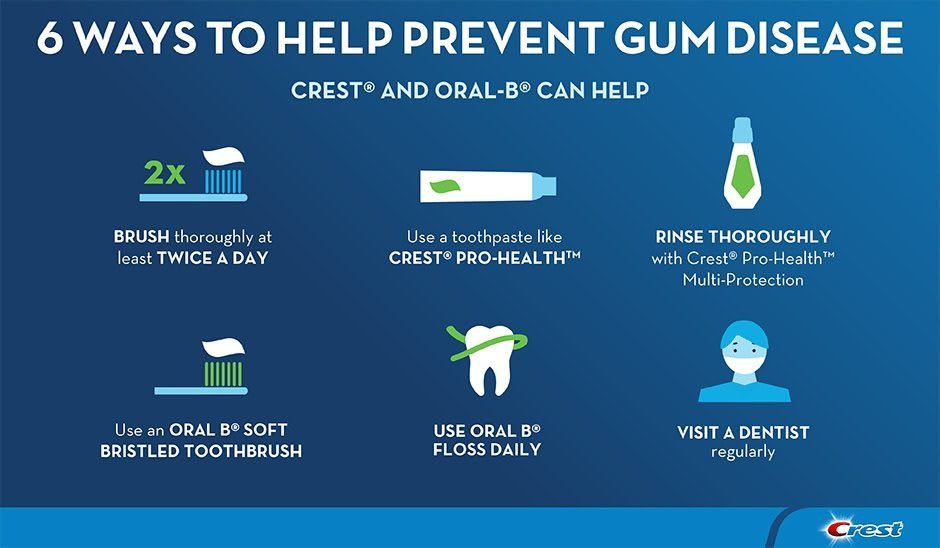
Use a soft-bristled toothbrush and brush gently but thoroughly for at least two minutes, twice a day. Pay close attention to the gum line, using gentle circular motions. Replace your toothbrush every three months or sooner if the bristles become frayed. Consider investing in an electric toothbrush for a more effective clean, especially if you have dexterity issues.

Flossing: Reaching Those Hard-to-Reach Places

Flossing is crucial for removing plaque and food particles from between your teeth, areas your toothbrush can't reach. Use gentle motions to avoid injuring your gums. Choose floss that is comfortable for you â€" waxed or unwaxed â€" and make flossing a regular part of your daily oral hygiene routine.

Lifestyle Changes for Stronger Gums

Your overall health significantly impacts your gum health. Adopting a healthy lifestyle can significantly support your DIY gingivitis treatments.

Consider these lifestyle modifications:

  • Eat a balanced diet: A diet rich in fruits, vegetables, and whole grains provides essential nutrients for gum health.
  • Quit smoking: Smoking significantly increases your risk of gum disease.
  • Manage stress: Stress can weaken your immune system, making you more susceptible to gum infections.
  • Maintain good hydration: Drinking plenty of water helps keep your mouth clean and moist.

Remember, while these DIY treatments can provide relief and support healthier gums, they are not a replacement for professional dental care. Regular checkups and cleanings are essential for maintaining optimal oral health and preventing the progression of gingivitis to more serious periodontal disease. Consult your dentist immediately if your symptoms worsen or persist despite home treatment.

How to Stop Bad Breath and Restore Fresh Breath Naturally

How to Stop Bad Breath and Restore Fresh Breath Naturally

Conquer Bad Breath: Your Guide to Naturally Fresh Breath

Hey there! Let's talk about something we all secretly worry about â€" bad breath, or halitosis. It's embarrassing, right? But the good news is, you don't need harsh chemicals or expensive mouthwashes to conquer it. We can tackle this naturally, and I'm here to show you how! This isn't just about masking the smell; we're going to get to the root of the problem and restore truly fresh breath.

Understanding the Stinky Truth: What Causes Bad Breath?

Before we jump into solutions, let's understand what's causing that less-than-fresh aroma. It's often more than just what you ate for lunch. While certain foods (garlic and onions, we're looking at you!) definitely contribute, bad breath can stem from several sources:

Bacteria, the Sneaky Culprits

The main culprit is bacteria living in your mouth. These little guys break down food particles, producing volatile sulfur compounds (VSCs). These VSCs are the stinky culprits behind bad breath. The bacteria thrive on food debris, plaque, and dead cells that linger in your mouth.

Dry Mouth (Xerostomia)

Saliva is your mouth's natural cleaning agent. It washes away food particles and neutralizes acids. When your mouth is dry, bacteria have a field day, leading to a build-up of odor-causing compounds. This is often exacerbated by dehydration, certain medications, and even sleep.

Gum Disease (Periodontal Disease)

If you've got gum disease, the bacteria aren't just on the surface of your teeth; they've infiltrated your gums and even the bone supporting your teeth. This creates a much more serious and persistent source of bad breath.

Medical Conditions

Believe it or not, sometimes bad breath can be a symptom of an underlying medical condition, such as diabetes, respiratory infections, or even kidney or liver problems. If you have persistent bad breath despite good oral hygiene, it's crucial to consult a doctor.

Diet

While garlic and onions are notorious, other strong-smelling foods can also contribute to temporary bad breath. Onions, garlic, and certain spices can be absorbed into the bloodstream and exhaled through your lungs. This means brushing and flossing won’t get rid of it entirely.

Natural Ways to Freshen Your Breath

Now for the fun part: the natural solutions! Remember, consistency is key. These techniques are most effective when practiced regularly.

The Power of Brushing and Flossing

This might seem obvious, but it's the cornerstone of good oral hygiene. Brush your teeth at least twice a day, for two minutes each time, using fluoride toothpaste. Don't forget to floss daily to remove food particles and plaque from between your teeth â€" areas your toothbrush can't reach.

Scrape Your Tongue

Your tongue harbors a lot of bacteria. Using a tongue scraper can significantly reduce bacterial buildup and improve breath freshness. Gently scrape from the back of your tongue to the front.

Stay Hydrated

Drinking plenty of water throughout the day helps to stimulate saliva production, keeping your mouth moist and washing away food particles.

Chew Sugar-Free Gum

Chewing sugar-free gum stimulates saliva production, helping to neutralize acids and clean your mouth. Look for xylitol-sweetened gum, as xylitol has been shown to inhibit the growth of certain bacteria.

Eat Breath-Freshening Foods

Certain foods can actually help combat bad breath naturally. These include:

  • Apples: Their fibrous texture helps scrub your teeth.
  • Celery: Acts as a natural toothbrush.
  • Parsley: Contains chlorophyll, which helps neutralize odors.
  • Green Tea: Has antibacterial properties.

Herbal Remedies

Some herbs have traditionally been used to freshen breath. These include:

  • Cinnamon: Has antibacterial and antifungal properties.
  • Clove: Known for its strong aroma that can mask bad breath temporarily.
  • Mint: A classic breath freshener.

You can incorporate these herbs into your diet or try rinsing your mouth with herbal teas.

Oil Pulling

Oil pulling involves swishing a tablespoon of oil (coconut oil is popular) in your mouth for 15-20 minutes before brushing. While anecdotal evidence suggests it can improve oral health, more research is needed to confirm its effectiveness for bad breath.

When to See a Professional

If you've tried these natural remedies and your bad breath persists, it's crucial to see a dentist or doctor. Persistent bad breath can be a sign of a more serious underlying issue, and professional intervention may be necessary. Your dentist can check for gum disease, cavities, or other oral health problems. Your doctor can rule out any systemic medical conditions.

Frequently Asked Questions (FAQs)

Q: Does drinking coffee cause bad breath?

A: Coffee itself doesn't directly cause bad breath, but it can contribute to dry mouth, which, as we discussed, creates an environment where bacteria can thrive.

Q: How often should I use a tongue scraper?

A: Ideally, you should use a tongue scraper once or twice a day, after brushing your teeth.

Q: Are there any foods I should avoid to prevent bad breath?

A: Foods high in sulfur compounds, like garlic and onions, are notorious for causing bad breath. Also, be mindful of excessive consumption of sugary foods and drinks, as they feed bacteria.

Q: My bad breath seems to be worse in the morning. Why?

A: Saliva production slows down during sleep, allowing bacteria to accumulate. This is why morning breath is often more noticeable. Brushing and tongue scraping in the morning are crucial.

Q: Will using mouthwash help?

A: Mouthwash can temporarily mask bad breath, but it's not a replacement for good oral hygiene practices. Look for alcohol-free mouthwashes, as alcohol can dry out your mouth.

Remember, fresh breath is achievable! By incorporating these natural methods into your daily routine, you can conquer bad breath and enjoy the confidence that comes with a healthy, fresh smile. If you have any other questions or concerns, don't hesitate to consult with a healthcare professional. Good luck on your journey to fresh breath!

How to Treat Gum Sensitivity and Strengthen Your Oral Health Naturally

How to Treat Gum Sensitivity and Strengthen Your Oral Health Naturally

How to Treat Gum Sensitivity and Strengthen Your Oral Health Naturally

Gum sensitivity, that sharp, stinging pain when you bite into something cold, hot, sweet, or acidic, is a common problem with various underlying causes. Ignoring it can lead to more serious dental issues. Fortunately, you can take proactive steps to soothe your sensitive gums and fortify your overall oral health naturally. This article explores effective strategies to manage gum sensitivity and build a robust oral defense system, empowering you to enjoy a healthy, pain-free smile.

Understanding the Roots of Gum Sensitivity

Gum sensitivity often arises from exposed tooth roots, a condition frequently caused by gum recession. Gum recession gradually reveals the root surfaces, which lack the protective enamel covering the crown of the tooth. This exposes the dentin, a porous layer containing microscopic tubules leading directly to the tooth's nerve. When stimuli such as temperature changes or acidic substances contact these tubules, they transmit signals to the nerve, causing that familiar sharp pain. Other culprits include aggressive brushing, bruxism (teeth grinding), periodontal disease, and certain medications. Understanding the cause helps target the appropriate treatment strategy.

Natural Remedies for Gum Sensitivity

Several natural approaches can effectively address gum sensitivity and promote healthier gums. These methods often focus on reducing inflammation, improving gum health, and protecting exposed tooth roots.

Gentle Brushing and Flossing Techniques

Avoid harsh brushing, which can exacerbate gum recession. Use a soft-bristled toothbrush and gentle, circular motions. Focus on thorough cleaning rather than aggressive scrubbing. Similarly, floss gently to avoid damaging your gums. Consider using a therapeutic fluoride toothpaste specifically designed for sensitive teeth, which can help desensitize the nerves in your teeth.

Oil Pulling

Oil pulling, an ancient Ayurvedic practice, involves swishing oil (typically coconut or sesame) in your mouth for several minutes. Proponents believe it removes bacteria and improves oral health. While research is still limited, many individuals report reduced inflammation and improved gum health after consistently practicing oil pulling. Always spit the oil out properly, as swallowing it can be detrimental.

Herbal Remedies

Certain herbs possess anti-inflammatory and antibacterial properties beneficial for gum health. Aloe vera gel, known for its soothing qualities, can directly applied to the gums to reduce inflammation. Sage tea, rich in antioxidants, can also help alleviate gum sensitivity and fight infection when used as a mouth rinse. Remember to consult a healthcare professional before using herbal remedies, especially if you have pre-existing health conditions or are taking other medications.

Dietary Adjustments

Your diet significantly impacts your oral health. Consume a balanced diet rich in vitamins and minerals crucial for gum health, such as vitamin C and calcium. Limit your intake of acidic foods and sugary drinks, as these contribute to tooth decay and gum inflammation. Staying hydrated by drinking plenty of water aids in flushing away bacteria and keeping your mouth clean.

Strengthening Overall Oral Health

Addressing gum sensitivity is crucial, but building strong, long-lasting oral health requires a holistic approach. This includes regular dental checkups and professional cleanings to remove plaque and tartar buildup. Quitting smoking, if applicable, is essential as smoking significantly increases the risk of gum disease and other oral health problems. By combining natural remedies with professional dental care and a healthy lifestyle, you can effectively manage gum sensitivity and achieve optimal oral well-being.

Disclaimer: This article provides general information and should not be considered medical advice. Always consult with a dentist or healthcare professional for diagnosis and treatment of gum sensitivity or any other oral health concerns.