Monday, January 27, 2025

How Dental Probiotics Support Fresh Breath and Clean Teeth Naturally

How Dental Probiotics Support Fresh Breath and Clean Teeth Naturally

Unlocking the Secret to Naturally Fresh Breath and Clean Teeth with Dental Probiotics

Hey there! Let's talk about something super cool and increasingly popular: dental probiotics. You know how we all crave that fresh, minty feeling after brushing? Well, dental probiotics can help you achieve that naturally, and even more! They're not just a fleeting freshness; they're about building a healthy oral environment from the inside out. Forget those harsh chemicals â€" let's explore how these tiny powerhouses work their magic.

What Exactly ARE Dental Probiotics?

Think of your mouth as a tiny ecosystem. It’s teeming with bacteria â€" both good and bad. Bad bacteria are the culprits behind cavities, gum disease, and that dreaded bad breath. Dental probiotics, essentially, are good bacteria. They’re specific strains of bacteria that are beneficial to your oral health. They work by actively competing with the bad guys for space and resources, helping to maintain a healthy balance within your mouth. It's like having a tiny army of good guys defending your pearly whites!

How Do Dental Probiotics Support Fresh Breath?

That persistent bad breath (halitosis)? Often, it's a consequence of the bad bacteria breaking down food particles and producing volatile sulfur compounds â€" the smelly culprits. Dental probiotics help by:

Reducing the Bad Bacteria Population:

By outcompeting the odor-causing bacteria, dental probiotics directly reduce the source of the smell. It's like cleaning up the battlefield before the stench sets in.

Improving Oral Hygiene:

They don't just target the bad bacteria, they also indirectly contribute to better overall oral hygiene. A healthier balance of bacteria means less inflammation, which can contribute to bad breath. Think of it as a proactive approach to oral cleanliness.

Boosting Saliva Production:

Saliva is your mouth's natural cleaning agent. It washes away food particles and neutralizes acids produced by bacteria. Some probiotics are thought to stimulate saliva production, further enhancing your mouth's natural defense system. It's like having a built-in, constantly refreshing oral rinse!

How Do They Help Keep Teeth Clean?

Dental probiotics aren't a replacement for brushing and flossing (trust me, those are still crucial!), but they act as a powerful supplement. They contribute to cleaner teeth by:

Strengthening Enamel:

Some studies suggest that certain strains of dental probiotics can help strengthen tooth enamel, making your teeth more resistant to acid attacks and cavities. Think of it as giving your teeth an extra layer of armor.

Reducing Plaque Build-up:

Plaque, that sticky film that builds up on your teeth, is a breeding ground for bad bacteria. Dental probiotics help control plaque formation, making it easier to remove during brushing and flossing. It's like making the cleaning process a lot more effective.

Fighting Gum Disease:

Gum disease (gingivitis and periodontitis) is a serious issue stemming from inflammation caused by bad bacteria. Dental probiotics can help reduce inflammation and promote healthy gums. It's a preventative measure against serious gum problems.

Different Forms of Dental Probiotics

You’ll find dental probiotics in several forms:
  • Lozenges or Tablets: These are easy to swallow and convenient to use. They contain a concentrated dose of beneficial bacteria.
  • Mouthwashes: Some mouthwashes are formulated with specific probiotic strains. These are a good option for a targeted approach to oral health.
  • Pastes and Gels: These can be directly applied to the teeth and gums.
  • Chewable Tablets or Gummies: These are a great option for those who have difficulty swallowing pills.

It's important to note that the effectiveness can vary depending on the specific strain of probiotic used and the individual's oral health condition. Always read the label carefully and choose a product that contains well-researched strains.

Integrating Dental Probiotics into Your Routine

The beauty of dental probiotics is that they're easy to incorporate into your daily routine. You can simply add them to your existing oral hygiene regimen. For example:
  • Take a probiotic lozenge after brushing your teeth.
  • Use a probiotic mouthwash as part of your nighttime routine.
  • Use probiotic toothpaste or gel and rinse with a probiotic mouthwash.

Remember, consistency is key. Just like with any health supplement, consistent use will provide the best results. Don't expect miracles overnight, but with regular use, you'll likely notice improvements in your breath, gum health, and overall oral hygiene.

Things to Keep in Mind

While dental probiotics are generally safe, it's crucial to consult with your dentist or healthcare provider, especially if you have pre-existing medical conditions or are taking other medications. They can help you determine the best probiotic for your specific needs and ensure there are no potential interactions.

Furthermore, dental probiotics are not a replacement for good oral hygiene practices â€" brushing, flossing, and regular dental check-ups are still essential for maintaining optimal oral health. Think of dental probiotics as a powerful ally in your fight for fresh breath and clean teeth.

Commonly Asked Questions

Q: Will dental probiotics work for everyone?

A: While many people find them beneficial, individual responses can vary. Factors like diet, overall health, and the specific strains of probiotics can influence effectiveness.

Q: How long does it take to see results?

A: You might notice some improvements within a few weeks, but it usually takes a few months of consistent use to see significant changes. Patience and consistency are key.

Q: Are there any side effects?

A: Generally, dental probiotics are well-tolerated. However, some individuals might experience mild digestive upset or changes in taste initially. If you experience any adverse effects, stop using the product and consult your dentist or doctor.

Q: Can I use dental probiotics with other oral care products?

A: Yes, you can generally use dental probiotics alongside other oral care products like toothpaste, mouthwash, and floss. Just make sure to follow the instructions on each product.

Q: How do I choose the right dental probiotic?

A: Look for products that contain well-researched strains of beneficial bacteria, such as Lactobacillus and Streptococcus species. Read reviews and consult your dentist for personalized recommendations.

I hope this comprehensive guide helps you understand the potential benefits of dental probiotics. Remember to always consult with your dental professional before starting any new oral health regimen. Happy smiling!

How to Reduce Gum Inflammation and Fix Inflamed Gums

How to Reduce Gum Inflammation and Fix Inflamed Gums

Reducing Gum Inflammation and Restoring Oral Health

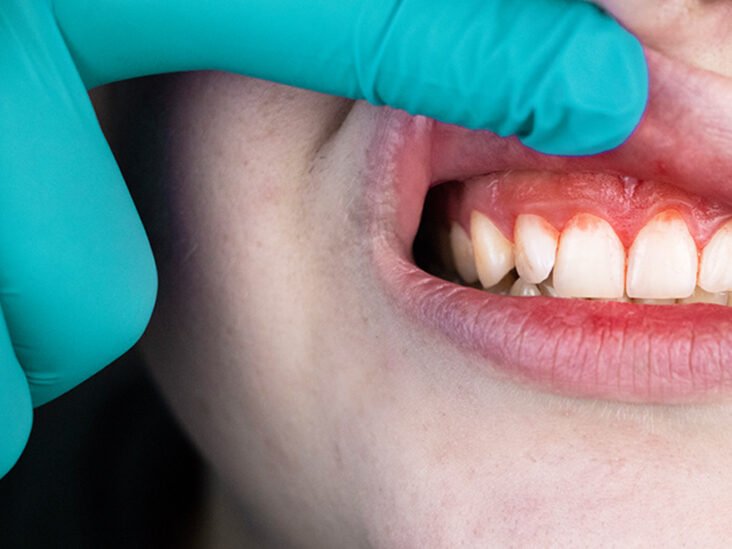
Inflamed gums, medically termed gingivitis, are a prevalent oral health issue characterized by redness, swelling, and bleeding. If left untreated, gingivitis can progress to periodontitis, a more severe condition that damages the supporting structures of the teeth, potentially leading to tooth loss. Fortunately, a multifaceted approach combining diligent oral hygiene practices, professional dental care, and lifestyle modifications can effectively reduce gum inflammation and restore oral health. This comprehensive guide outlines the strategies for achieving and maintaining healthy gums.

Understanding the Causes of Gum Inflammation

The primary culprit behind gum inflammation is plaque, a sticky film of bacteria that constantly forms on teeth. These bacteria produce toxins that irritate the gums, triggering an inflammatory response. Several factors contribute to plaque accumulation and subsequent gum inflammation:

Poor Oral Hygiene

Insufficient brushing and flossing allow plaque to harden into calculus (tartar), a rough deposit that further exacerbates gum irritation. Inadequate removal of food particles also provides a breeding ground for bacteria.

Genetic Predisposition

Some individuals are genetically predisposed to gum inflammation, meaning they are more susceptible to developing gingivitis even with good oral hygiene practices. This increased susceptibility might be due to variations in immune responses or the composition of their oral microbiome.

Systemic Diseases

Certain systemic diseases, including diabetes, cardiovascular disease, and HIV/AIDS, can increase the risk of gum inflammation and make it more challenging to treat. These conditions often compromise the immune system, making individuals more vulnerable to bacterial infections.

Hormonal Changes

Fluctuations in hormone levels, particularly during puberty, pregnancy, and menopause, can impact gum health. These hormonal changes can alter the immune response and increase susceptibility to gum inflammation.

Smoking

Smoking significantly impairs the body's ability to heal and fight infection, making it a major risk factor for gum disease. Smoking also reduces blood flow to the gums, hindering the delivery of nutrients and oxygen necessary for tissue repair.

Medications

Some medications, such as certain immunosuppressants and antihypertensives, can have side effects that negatively impact oral health, increasing the risk of gum inflammation.

Effective Strategies for Reducing Gum Inflammation

Addressing gum inflammation requires a proactive and comprehensive approach encompassing meticulous oral hygiene, professional dental care, and lifestyle adjustments. The following strategies are crucial for reducing inflammation and restoring gum health:

Optimal Oral Hygiene Practices

Brushing: Brush your teeth twice daily for at least two minutes each time, using a soft-bristled toothbrush and fluoride toothpaste. Use gentle, circular motions, ensuring you reach all tooth surfaces. Flossing: Floss daily to remove plaque and food particles from between teeth and along the gumline, where your toothbrush cannot reach. Mouthwash: Use a therapeutic mouthwash as recommended by your dentist. Some mouthwashes contain antiseptic agents that help kill bacteria and reduce inflammation.

Professional Dental Care

Regular Checkups: Schedule regular dental checkups and cleanings every six months. During these appointments, your dentist will remove plaque and tartar buildup, assess your gum health, and provide personalized guidance on maintaining optimal oral hygiene. Deep Cleaning: If gingivitis has progressed to periodontitis, your dentist may recommend a deep cleaning (scaling and root planing) to remove bacteria and tartar from beneath the gumline. Further Treatments: In severe cases, more advanced treatments like gum surgery or antibiotics may be necessary.

Lifestyle Modifications

Diet: Maintain a balanced diet rich in fruits, vegetables, and whole grains. Limit sugary and processed foods, which contribute to bacterial growth. Smoking Cessation: Quitting smoking significantly improves gum health and overall well-being. Seek professional support if needed. Stress Management: Chronic stress can negatively impact the immune system, increasing susceptibility to gum inflammation. Practice stress-reducing techniques such as yoga, meditation, or deep breathing exercises.

Home Remedies for Mild Gum Inflammation

In addition to professional care and diligent oral hygiene, several home remedies can provide additional support in reducing mild gum inflammation:

  • Saltwater Rinse: Rinsing your mouth with warm saltwater several times a day can help reduce inflammation and cleanse the mouth of bacteria.
  • Aloe Vera: Applying aloe vera gel to inflamed gums can soothe irritation and promote healing. Ensure the aloe vera is pure and free of additives.
  • Tea Tree Oil: Dilute tea tree oil with a carrier oil (such as coconut oil) and apply it to the affected area. Tea tree oil possesses antibacterial and anti-inflammatory properties.
  • Turmeric: Turmeric contains curcumin, a potent anti-inflammatory compound. You can rinse your mouth with turmeric water or apply a turmeric paste to the gums.

Important Note: While these home remedies can provide some relief, they should not replace professional dental care. If you experience persistent or severe gum inflammation, consult your dentist immediately.

Preventing Gum Inflammation

Prevention is key to maintaining healthy gums. By adopting a proactive approach to oral health, you can significantly reduce your risk of developing gingivitis and its more severe complications:

  • Maintain meticulous oral hygiene: Brush and floss diligently, and use an antiseptic mouthwash as recommended.
  • Schedule regular dental checkups: Visit your dentist every six months for professional cleanings and examinations.
  • Adopt a healthy lifestyle: Maintain a balanced diet, quit smoking, and manage stress effectively.
  • Address systemic health issues: Manage any underlying health conditions that may impact gum health.
  • Choose a soft-bristled toothbrush: Avoid harsh brushing techniques that can damage gums.

In conclusion, reducing gum inflammation and maintaining healthy gums requires a comprehensive approach that combines diligent self-care, regular professional dental visits, and lifestyle modifications. By understanding the causes of gum inflammation and implementing these strategies, you can significantly reduce your risk of developing gingivitis and preserve your oral health for years to come. Remember that early detection and treatment are crucial for preventing the progression of gum disease and maintaining optimal oral health.

How to Fix Inflamed Gums and Keep Your Gums in Top Condition

How to Fix Inflamed Gums and Keep Your Gums in Top Condition

How to Fix Inflamed Gums and Maintain Optimal Gum Health

Inflamed gums, medically termed gingivitis, are a prevalent oral health concern affecting a significant portion of the global population. Characterized by redness, swelling, and bleeding, gingivitis represents the initial stage of periodontal disease, a serious condition that can lead to tooth loss if left untreated. Addressing inflamed gums requires a multifaceted approach encompassing diligent oral hygiene practices, lifestyle modifications, and, in some cases, professional dental intervention. This comprehensive guide elucidates effective strategies for resolving inflamed gums and fostering lasting gum health.

Understanding the Etiology of Gingivitis

The primary causative agent of gingivitis is bacterial plaque, a sticky biofilm that persistently accumulates on teeth and along the gum line. This plaque harbors numerous microorganisms that produce toxins, triggering an inflammatory response in the gums. The inflammatory process manifests as redness, swelling, tenderness, and bleeding upon brushing or flossing. Several contributing factors exacerbate plaque formation and the subsequent inflammatory response:

Poor Oral Hygiene Practices

Insufficient brushing and flossing allow plaque to accumulate unchecked, creating an ideal environment for bacterial proliferation and gingival inflammation. Inadequate removal of food debris and bacterial remnants further intensifies the problem.

Systemic Conditions

Certain systemic diseases, such as diabetes and hormonal imbalances, can compromise immune function, making individuals more susceptible to gum inflammation. These conditions often impair the body's ability to effectively combat bacterial infections, leading to exacerbated gingival inflammation.

Genetic Predisposition

Genetic factors can influence an individual's susceptibility to periodontal disease. Specific genetic variations may predispose certain individuals to more severe inflammatory responses to bacterial plaque, increasing their risk of gingivitis and periodontitis.

Smoking

Smoking significantly elevates the risk of gum disease. Nicotine constricts blood vessels, reducing blood flow to the gums and impairing their ability to heal. Smoking also compromises the immune system, making individuals more vulnerable to bacterial infections and inflammation.

Medication Side Effects

Certain medications, including those used to treat hypertension and some psychiatric disorders, can have a detrimental impact on oral health. These medications can lead to decreased saliva production (xerostomia), which reduces the mouth's natural cleansing ability, fostering plaque accumulation and promoting gum inflammation.

Effective Strategies for Treating Inflamed Gums

Addressing inflamed gums requires a proactive and comprehensive approach that combines meticulous oral hygiene, lifestyle adjustments, and professional dental care. The following strategies provide a roadmap to effective gum health management:

Optimal Oral Hygiene Practices

The cornerstone of preventing and treating gingivitis is meticulous oral hygiene. This involves:

  • Brushing: Brushing twice daily for at least two minutes using a soft-bristled toothbrush and fluoride toothpaste. Employ gentle, circular motions, ensuring thorough cleaning of all tooth surfaces, including the gum line.
  • Flossing: Flossing once daily to remove plaque and food particles from between teeth and along the gum line. Use gentle but firm motions to avoid damaging the gums.
  • Mouthwash: Utilizing an antimicrobial mouthwash can supplement brushing and flossing, further reducing bacterial load and promoting gum health. Consult a dentist for recommendations on suitable mouthwash options.
  • Tongue Cleaning: Gentle cleaning of the tongue can remove bacteria and reduce bad breath. A tongue scraper or toothbrush can be used.

Dietary Considerations

A balanced diet plays a crucial role in supporting overall health, including oral health. A diet rich in fruits, vegetables, and whole grains provides essential nutrients for gum tissue regeneration and immune function. Limiting sugary and processed foods minimizes plaque accumulation and reduces the risk of gum inflammation.

Lifestyle Modifications

Addressing underlying lifestyle factors that contribute to gum disease is essential for long-term gum health. This includes:

  • Smoking Cessation: Quitting smoking significantly reduces the risk of gum disease and improves overall health.
  • Stress Management: Chronic stress can negatively impact immune function, exacerbating gum inflammation. Stress reduction techniques, such as exercise, yoga, and meditation, can be beneficial.
  • Hydration: Adequate hydration supports saliva production, which helps cleanse the mouth and prevent plaque accumulation.

Professional Dental Care

Regular professional dental cleanings and checkups are vital for maintaining optimal gum health. During these visits, a dental hygienist will remove plaque and calculus (tartar), which cannot be effectively removed through home care. The dentist will assess the condition of the gums and provide personalized recommendations for maintaining oral health.

Advanced Treatment Options for Periodontitis

If gingivitis progresses to periodontitis, characterized by gum recession, bone loss, and potential tooth loss, more advanced treatment options may be necessary. These include:

Scaling and Root Planing

This procedure involves deep cleaning beneath the gum line to remove plaque and tartar buildup. It aims to eliminate infection and promote gum tissue regeneration.

Antibiotic Therapy

In cases of severe infection, systemic or local antibiotics may be prescribed to combat bacterial growth and reduce inflammation.

Surgical Procedures

In advanced cases of periodontitis, surgical interventions may be required to restore gum tissue, bone, and periodontal support structures. These procedures may include flap surgery, bone grafting, or guided tissue regeneration.

Maintaining Long-Term Gum Health

Maintaining optimal gum health requires a lifelong commitment to consistent oral hygiene practices and regular professional dental care. By diligently following the guidelines outlined in this guide, individuals can significantly reduce their risk of gingivitis and periodontitis, preserving their teeth and gums for a lifetime.

Disclaimer: This information is intended for educational purposes only and should not be considered medical advice. Consult with a qualified dental professional for diagnosis and treatment of gum disease.

How Probiotics Keep Your Gums Healthy and Disease-Free Long-Term

How Probiotics Keep Your Gums Healthy and Disease-Free Long-Term

Unlocking the Power of Probiotics for Long-Term Gum Health

Hey there! Let's talk about something super important â€" your gum health. We all know that healthy gums are crucial for a dazzling smile and overall well-being, but did you know that tiny little microorganisms, called probiotics, could be your secret weapon in the fight against gum disease? I'm going to spill the tea on how these beneficial bacteria can help keep your gums healthy and disease-free for the long haul.

Understanding the Gum Disease Landscape

Before we dive into the probiotic magic, let's quickly understand the enemy: gum disease, or periodontal disease. This isn't just about some minor bleeding when you brush; it's a serious infection that can wreak havoc on your mouth and even impact your overall health. Think of it like this: plaque, that sticky film that builds up on your teeth, isn't just annoying; it's a breeding ground for harmful bacteria. These bad guys produce toxins that inflame your gums, leading to gingivitis (the early stage) and eventually periodontitis (the more advanced and destructive stage).

The Consequences of Neglecting Gum Disease

Ignoring gum disease can have some pretty nasty consequences. We're talking:
  • Receding gums: Your gums pull away from your teeth, exposing the roots and making them sensitive.
  • Loose teeth: The supporting bone and tissues that hold your teeth in place get damaged.
  • Tooth loss: In severe cases, teeth can actually fall out.
  • Bad breath (halitosis): The bacteria responsible for gum disease also contribute to bad breath.
  • Increased risk of other health problems: Research suggests a link between gum disease and serious conditions like heart disease, diabetes, and stroke. Yikes!
So, it's pretty clear that keeping those gums healthy is a top priority. This is where our probiotic pals come in!

Probiotics: Your Gum Health's New Best Friends

Probiotics are live microorganisms (mostly bacteria) that, when ingested in adequate amounts, confer a health benefit to the host. Think of them as the "good guys" in your gut (and mouth!). They work by competing with the harmful bacteria for space and resources, preventing them from establishing a foothold and causing mischief. They also produce substances that directly inhibit the growth of these harmful bacteria.

How Probiotics Specifically Help Your Gums

For your gums, probiotics can offer several benefits:
  • Reduce inflammation: Probiotics help to regulate the immune response in your gums, reducing inflammation and preventing the progression of gum disease.
  • Improve the oral microbiome: They help to restore a healthy balance of bacteria in your mouth, creating an environment less hospitable to harmful pathogens.
  • Enhance the effectiveness of other treatments: Probiotics can work synergistically with other gum disease treatments, such as professional cleaning and scaling.
  • Boost your immune system: A strong immune system is key to fighting off infections, including those that contribute to gum disease. Probiotics can provide a significant boost.

Finding the Right Probiotics for Gum Health

Not all probiotics are created equal! Some strains are better suited for oral health than others. Look for products containing strains that have been shown to be effective in clinical studies. Some of the promising probiotic strains for gum health include:
  • Lactobacillus reuteri
  • Lactobacillus rhamnosus
  • Bifidobacterium longum
  • Streptococcus salivarius K12
You can find these strains in various forms, such as:
  • Probiotic supplements: These are readily available at health food stores and pharmacies. Choose products that clearly state the strains and CFU (colony-forming units) count.
  • Probiotic yogurts and drinks: Many yogurts and other fermented dairy products contain probiotics, but check the label carefully to ensure they contain the desired strains.
  • Probiotic mouthwashes and toothpastes: Some oral hygiene products now incorporate probiotics. These are applied directly to the gums and teeth, offering a targeted approach.

Important Considerations When Choosing Probiotics

When selecting a probiotic supplement or product, always consider:
  • Strain specificity: Ensure the product contains strains known to be beneficial for gum health.
  • CFU count: A higher CFU count generally means more live bacteria are present.
  • Reputable brands: Choose products from reputable manufacturers who adhere to quality standards.
  • Storage conditions: Follow storage instructions carefully to ensure the probiotics remain viable.

Beyond Probiotics: A Holistic Approach to Gum Health

While probiotics are a valuable tool, they are not a magical cure-all. For optimal gum health, you need a holistic approach that incorporates:
  • Excellent oral hygiene: Brush and floss twice a day, using fluoride toothpaste.
  • Regular dental checkups: Visit your dentist for professional cleanings and exams at least twice a year.
  • A healthy diet: Consume a balanced diet rich in fruits, vegetables, and whole grains.
  • Quit smoking: Smoking is a major risk factor for gum disease.
  • Manage underlying health conditions: If you have diabetes or other conditions that can affect gum health, work with your doctor to manage them effectively.
Remember, incorporating probiotics into your routine is just one piece of the puzzle. By combining them with good oral hygiene practices and a healthy lifestyle, you can significantly improve your chances of enjoying healthy, happy gums for years to come!

Frequently Asked Questions (FAQs)

Are probiotic supplements safe?

Generally, probiotic supplements are considered safe for most people. However, individuals with weakened immune systems or certain medical conditions may need to consult their doctor before starting any probiotic regimen. Rare side effects can include mild digestive discomfort like gas or bloating.

How long does it take to see results from using probiotics for gum health?

The timeframe varies depending on the individual and the severity of the gum disease. Some people may notice improvements within a few weeks, while others may require several months of consistent use. It's important to be patient and consistent with your approach.

Can probiotics cure gum disease?

Probiotics are not a cure for advanced gum disease. However, they can be a valuable tool in preventing the progression of the disease, reducing inflammation, and improving oral health overall. For advanced gum disease, professional dental treatment is essential.

Can I use probiotics alongside other gum disease treatments?

Yes! Probiotics can often be used safely alongside other gum disease treatments like professional cleaning, scaling, and antibiotic therapy. However, it's always a good idea to discuss this with your dentist or doctor to ensure there are no potential interactions.

What if I don't like the taste of probiotic yogurt or supplements?

Many probiotic supplements are available in capsule form, eliminating any taste issues. You can also experiment with different brands of probiotic yogurts or drinks to find one that suits your palate. The key is finding a method of probiotic intake that you can stick with consistently.

The Benefits of Probiotics for Gum Health and Better Oral Hygiene

The Benefits of Probiotics for Gum Health and Better Oral Hygiene

Unlocking a Healthier Smile: The Amazing Benefits of Probiotics for Gum Health

Hey everyone! Let's talk about something super cool that's been gaining a lot of traction lately: probiotics and their impact on our oral health. We all know brushing and flossing are crucial, but did you know that the tiny, beneficial bacteria we call probiotics can play a significant role in keeping our gums happy and our smiles bright? It's true! Let's dive into the details.

What Exactly are Probiotics, and Why Should I Care About Them in My Mouth?

Think of probiotics as the "good guys" in the world of bacteria. Unlike the harmful bacteria that contribute to gum disease and cavities, probiotics are beneficial microorganisms that live in our gut and, increasingly, we're discovering, in our mouths too! These tiny helpers work hard to maintain a healthy balance in our oral microbiome â€" that's the complex ecosystem of bacteria living in our mouths. A balanced microbiome means a happy, healthy mouth!

For years, we've focused on probiotics for gut health, thinking of digestive issues, immunity, and overall well-being. But the research is increasingly showing that these friendly bacteria are just as important for our oral cavity. They can help fight off the bad bacteria that cause all sorts of problems, like gingivitis (gum inflammation), periodontitis (a more serious gum disease), and even bad breath!

How Do Probiotics Benefit Gum Health?

Probiotics work in a few key ways to keep your gums healthy and happy. Let's explore some of the amazing benefits:

Fighting Off the Bad Guys

Probiotics essentially compete with the harmful bacteria in your mouth. They fight for space and resources, making it harder for the bad bacteria to colonize and cause problems. It’s like a tiny, microscopic battle for dominance, and we want the good guys to win!

Strengthening Your Natural Defenses

Probiotics can help boost your immune system's response within your mouth. They can stimulate the production of antibodies and other immune cells that help fight infection and inflammation. This is especially helpful in preventing gum disease, which is often linked to a weakened immune response.

Reducing Inflammation

Gum disease is characterized by inflammation, which is essentially your body's response to infection. Probiotics can help reduce inflammation in the gums, easing symptoms like redness, swelling, and bleeding. This can lead to less discomfort and a healthier mouth overall.

Improving the Oral Microbiome Balance

The key is balance. A diverse and balanced oral microbiome is a happy microbiome. Probiotics help maintain this balance by preventing the overgrowth of harmful bacteria, which can lead to various oral health issues.

How Can You Get Your Daily Dose of Probiotics for Oral Health?

There are a few different ways to introduce probiotics into your oral health routine:

  • Probiotic Mouthwashes and Toothpastes: Many brands now offer mouthwashes and toothpastes containing specific strains of probiotics. Look for products that clearly list the probiotic strains they contain and have undergone testing to demonstrate their effectiveness.
  • Probiotic Lozenges or Tablets: These are convenient ways to take probiotics orally. They dissolve in your mouth, delivering the good bacteria directly to your oral cavity. Again, check the label for specifics on the strains.
  • Yogurt and Fermented Foods (Indirectly): While not a direct application to the mouth, consuming yogurt and other fermented foods with live and active cultures can contribute to a healthier gut microbiome, which can indirectly benefit your overall health and potentially your oral health. The connection between gut and oral health is still an area of active research.
  • Consult Your Dentist or Doctor: They can provide personalized recommendations based on your individual needs and oral health status. It’s always a good idea to discuss incorporating probiotics into your routine with your healthcare professional.

Beyond Gum Health: Other Oral Benefits of Probiotics

The benefits of probiotics extend beyond just gum health. Research is also showing that they may help with:

  • Reducing Bad Breath (Halitosis): By controlling the growth of odor-causing bacteria, probiotics can contribute to fresher breath.
  • Preventing Cavities: Some studies suggest that probiotics may help prevent the formation of cavities by inhibiting the growth of cavity-causing bacteria.
  • Improving the Overall Oral Microbiome: A healthy and balanced oral microbiome is the foundation of good oral health. Probiotics help maintain this balance and prevent dysbiosis (an imbalance of bacteria).

Important Considerations

While probiotics offer many potential benefits, it's crucial to remember that they're not a replacement for good oral hygiene practices. Brushing twice a day, flossing daily, and regular dental checkups are still essential for maintaining optimal oral health. Think of probiotics as a valuable *addition* to your existing oral care routine, not a substitute.

Furthermore, not all probiotic products are created equal. Look for products with strains that have been clinically proven to be effective for oral health. Also, if you have any underlying health conditions or are taking medications, it's best to consult your dentist or doctor before starting any new probiotic regimen.

Commonly Asked Questions

Q: Are there any side effects to using probiotics for oral health?

A: Generally, probiotics are considered safe. However, some people may experience mild side effects such as temporary upset stomach or minor digestive discomfort, especially when first starting to use them. If you experience any concerning side effects, discontinue use and consult your doctor.

Q: How long does it take to see results from using oral probiotics?

A: The timeframe for seeing noticeable results can vary depending on the individual, the product used, and the underlying oral health condition. Some people may notice improvements within a few weeks, while others may require several months to see significant changes.

Q: Can I use probiotics alongside my regular toothpaste and mouthwash?

A: Yes, you can generally use probiotic products alongside your regular oral hygiene routine. However, it's best to follow the manufacturer's instructions for each product to ensure proper use and avoid potential interactions.

Q: Are all probiotics the same?

A: No, absolutely not! Different strains of probiotics have different properties and benefits. Not all strains are effective for oral health, so it's important to choose products that contain strains that have been specifically studied and shown to be beneficial for the mouth.

I hope this comprehensive guide has helped you understand the potential benefits of probiotics for your gum health and overall oral well-being. Remember to always consult your dentist or doctor before making significant changes to your oral health routine. Keep smiling!

Best Probiotics for Keeping Your Oral Microbiome in Balance

Best Probiotics for Keeping Your Oral Microbiome in Balance

Best Probiotics for Keeping Your Oral Microbiome in Balance

Maintaining a healthy oral microbiome is crucial for overall oral and systemic health. An imbalance, or dysbiosis, in this complex ecosystem of bacteria, fungi, and viruses can contribute to a range of oral diseases, from gingivitis and periodontitis to halitosis and even systemic conditions like cardiovascular disease. While meticulous oral hygiene practices form the cornerstone of oral health maintenance, emerging research highlights the significant role of probiotics in supporting and restoring the balance of the oral microbiome.

This article explores the current understanding of the oral microbiome and the potential benefits of probiotic supplementation in promoting oral health. We will examine specific probiotic strains showing promise in clinical trials and discuss considerations for selecting and using probiotic products for optimal oral health.

Understanding the Oral Microbiome

The human oral cavity houses one of the most diverse and complex microbial communities in the body. Hundreds of bacterial species, along with archaea, fungi, and viruses, coexist in a dynamic equilibrium. This intricate ecosystem plays a vital role in maintaining oral health, contributing to processes such as nutrient metabolism, immune system modulation, and protection against pathogenic microorganisms.

The Balance of Beneficial and Harmful Bacteria

A healthy oral microbiome is characterized by a balanced proportion of beneficial and potentially harmful bacteria. Beneficial bacteria, such as those belonging to the genera Streptococcus (certain species), Lactobacillus, and Veillonella, contribute to the maintenance of oral homeostasis. They compete with pathogens for resources, produce antimicrobial substances, and modulate the host immune response. Conversely, an overgrowth of pathogenic bacteria, including Porphyromonas gingivalis, Aggregatibacter actinomycetemcomitans, and Tannerella forsythia, is strongly associated with periodontal diseases.

Factors Influencing Oral Microbiome Dysbiosis

Several factors can disrupt the delicate balance of the oral microbiome, leading to dysbiosis. These include:

  • Poor oral hygiene practices
  • Smoking
  • Uncontrolled diabetes
  • Certain medications (e.g., immunosuppressants)
  • Genetic predisposition
  • Dietary habits
  • Stress

Dysbiosis is characterized by a shift in the microbial composition, often favoring the proliferation of pathogenic bacteria and a decrease in beneficial bacteria. This imbalance can trigger inflammation, tissue damage, and the development of various oral diseases.

Probiotics and their Role in Oral Health

Probiotics are live microorganisms, primarily bacteria or yeasts, that confer health benefits when administered in adequate amounts. Their potential applications in oral health are based on their ability to:

  • Compete with pathogens: Probiotics can outcompete pathogenic bacteria for nutrients and attachment sites on the teeth and gums, thus reducing their colonization and virulence.
  • Produce antimicrobial substances: Certain probiotic strains produce bacteriocins and other antimicrobial compounds that inhibit the growth of pathogenic bacteria.
  • Modulate the immune response: Probiotics can interact with the host immune system, stimulating the production of antibodies and cytokines that help to control inflammation.
  • Enhance saliva production: Some probiotics have been shown to stimulate saliva production, which plays a key role in maintaining oral hygiene.

Probiotic Strains with Potential Benefits for Oral Health

Several probiotic strains have shown promising results in preclinical and clinical studies for improving oral health. However, it is important to note that research is still ongoing, and more large-scale, high-quality studies are needed to confirm these findings. Some of the most studied strains include:

  • Lactobacillus reuteri: This strain has demonstrated anti-inflammatory properties and the ability to inhibit the growth of periodontal pathogens.
  • Lactobacillus salivarius: Studies suggest this strain can reduce gingivitis and improve periodontal parameters.
  • Lactobacillus rhamnosus: This strain has shown potential in reducing dental caries (cavities).
  • Streptococcus salivarius (certain strains): Some strains of S. salivarius have demonstrated competitive exclusion against pathogenic bacteria in the oral cavity.
  • Weissella cibaria: This strain exhibits antimicrobial activity against various oral pathogens.

Considerations for Selecting and Using Probiotic Products

The effectiveness of probiotic supplementation for oral health depends on several factors, including:

  • Strain selection: Not all probiotic strains are created equal. It is crucial to choose products containing strains with documented efficacy in improving oral health.
  • Dosage: The optimal dosage of probiotics varies depending on the strain and the specific application. Follow the manufacturer's instructions or consult with a healthcare professional.
  • Formulation: Probiotic products come in various formulations, including capsules, tablets, and liquids. Choose a formulation that is convenient and palatable.
  • Storage: Store probiotic products according to the manufacturer's instructions to ensure the viability of the live microorganisms.
  • Interactions with Medications: Probiotics can sometimes interact with certain medications. Consult your physician or pharmacist, especially if you are taking immunosuppressants or antibiotics.

Conclusion

Maintaining a balanced oral microbiome is essential for overall oral and systemic health. While good oral hygiene remains paramount, emerging evidence suggests that probiotics can play a significant supplementary role in promoting oral health by restoring microbial balance, inhibiting pathogens, and modulating the immune response. However, it is crucial to carefully select probiotic products containing well-researched strains with demonstrated efficacy and to follow appropriate dosage and storage instructions. Further research is needed to fully elucidate the mechanisms of action and optimal applications of probiotics in oral healthcare. Consult with a dentist or healthcare professional before incorporating probiotic supplementation into your oral health regimen, especially if you have pre-existing conditions or are taking medications.

How to Support Healthy Teeth with Vitamin A Supplements

How to Support Healthy Teeth with Vitamin A Supplements

Unlocking a Sparkling Smile: How Vitamin A Supplements Can Support Healthy Teeth

Hey there! Let's talk teeth. We all want that dazzling, healthy smile, right? And while brushing and flossing are absolute musts, did you know that what you eat â€" and even what supplements you take â€" can play a HUGE role in keeping your pearly whites strong and healthy? Today, we're diving deep into the world of vitamin A and its impact on your oral health.

The Amazing Role of Vitamin A in Oral Health

Vitamin A isn't just about good vision (though that's a big one!). It's a true multi-tasker when it comes to your overall health, and your mouth is no exception. Think of vitamin A as a secret weapon in your fight against gum disease, tooth decay, and even oral infections. It does this magic through several key mechanisms:

Supporting Enamel Formation

Enamel, that shiny outer layer of your teeth, is the hardest substance in your body. It's your teeth's first line of defense against cavities. Guess what? Vitamin A plays a crucial role in the formation of this vital protective layer during tooth development. A deficiency can lead to weaker enamel, making your teeth more susceptible to damage and decay. Think of it like building a house â€" you need a strong foundation, and vitamin A helps lay that foundation for strong teeth.

Boosting Gum Health

Your gums are just as important as your teeth! Healthy gums are firm and pink, providing a snug and supportive base for your teeth. Vitamin A helps maintain the integrity of the gum tissue, reducing your risk of gingivitis (gum inflammation) and periodontitis (a more serious form of gum disease). A deficiency can weaken your gums, making them more prone to infection and bleeding.

Fighting Off Infections

Vitamin A is a powerful antioxidant, meaning it helps protect your cells from damage caused by free radicals. This is super important for your mouth, where bacteria are constantly battling for territory. A strong immune system, bolstered by adequate vitamin A, can help your body fight off oral infections more effectively, keeping those pesky bacteria at bay.

Understanding Vitamin A Supplements and Their Use

Now, let's talk about getting enough vitamin A. While you can get vitamin A from various foods (like sweet potatoes, carrots, spinach, and liver â€" yum!), sometimes a supplement can be helpful, especially if your diet is lacking or if you have specific nutritional needs. However, it's crucial to talk to your doctor or dentist before starting any new supplements, including vitamin A. They can help you determine the right dosage and make sure it's safe for you.

There are two main forms of vitamin A: retinol (preformed vitamin A) and beta-carotene (a provitamin A carotenoid that your body converts to vitamin A). Supplements typically come in either form. Your doctor can advise on which form is best for you.

Choosing the Right Supplement

Navigating the supplement aisle can feel overwhelming. Look for reputable brands that are third-party tested to ensure purity and potency. Check the label for the amount of vitamin A (often listed as Retinol Equivalents or RAE) to make sure you're getting the dosage recommended by your doctor. Don't exceed the recommended dose, as high doses of vitamin A can be toxic.

Combining Supplements with a Healthy Lifestyle

Supplements are a helpful tool, but they shouldn't replace a healthy lifestyle. Think of them as an added boost, not a magic bullet. Maintaining good oral hygiene remains essential: brush twice a day, floss daily, and visit your dentist regularly for checkups and cleanings. A balanced diet rich in fruits, vegetables, and whole grains will further support your overall health, including the health of your teeth and gums.

Potential Side Effects and Precautions

While vitamin A is generally safe when taken at the recommended dosage, excessive intake can lead to side effects. These can include:

  • Nausea
  • Vomiting
  • Headaches
  • Dizziness
  • Blurred vision
  • Liver damage (in severe cases)

It's absolutely crucial to follow your doctor's recommendations regarding dosage. Pregnant women should be particularly cautious about vitamin A supplementation, as high doses can be harmful to the developing fetus. Always consult your doctor before taking any supplements, especially if you have pre-existing health conditions or are taking other medications.

Vitamin A and Other Oral Health Factors

While vitamin A is vital for oral health, it's not the only player. Other nutrients, like vitamin D, calcium, and phosphorus, also play significant roles in maintaining strong teeth and healthy gums. A balanced diet rich in these nutrients will provide the best support for your oral health. Remember, a holistic approach is always best!

Frequently Asked Questions

Let's address some common questions about vitamin A and oral health:

Q: Can vitamin A supplements cure gum disease?

A: No, vitamin A supplements can't cure gum disease. However, they can contribute to overall gum health and may help prevent or reduce the severity of gum disease when combined with proper oral hygiene and professional dental care.

Q: How much vitamin A should I take daily?

A: The recommended daily allowance of vitamin A varies depending on age, sex, and other factors. Do not self-prescribe. Consult your doctor or a registered dietitian to determine the appropriate dosage for you.

Q: Are there any foods high in vitamin A that I can incorporate into my diet?

A: Yes! Excellent sources of vitamin A include sweet potatoes, carrots, spinach, kale, liver, and various other colorful fruits and vegetables. Aim for a diverse diet to ensure you're getting a wide range of essential nutrients.

Q: Can too much vitamin A be harmful?

A: Yes, excessive intake of vitamin A can be toxic. Always follow the recommended dosage provided by your doctor and avoid exceeding it.

Q: Will vitamin A supplements whiten my teeth?

A: No, vitamin A supplements won't whiten your teeth. Whitening your teeth requires different methods, such as professional teeth whitening treatments or over-the-counter whitening products.

Remember, maintaining optimal oral health is a team effort. By combining a healthy diet, good oral hygiene practices, and â€" if necessary â€" appropriate vitamin supplementation under the guidance of your healthcare provider, you can give your teeth the support they need to stay healthy and strong for years to come. Keep smiling!

How Probiotic Supplements Help with Oral Health and Prevent Gum Disease

How Probiotic Supplements Help with Oral Health and Prevent Gum Disease

The Probiotic Powerhouse: How Supplements Boost Oral Health and Fight Gum Disease

For years, we've focused on brushing and flossing to maintain oral hygiene. But a burgeoning field of research highlights a powerful new ally in the fight against gum disease and other oral health issues: probiotic supplements. These beneficial bacteria, when strategically introduced into the mouth, can reshape the oral microbiome, creating an environment less hospitable to harmful bacteria responsible for inflammation and disease. This article delves into the mechanisms by which probiotic supplements improve oral health and prevent gum disease, providing a deeper understanding of this exciting frontier in dental care.

Understanding the Oral Microbiome and its Role in Gum Disease

Your mouth is a complex ecosystem teeming with millions of microorganisms, including bacteria, fungi, and viruses. This diverse community, known as the oral microbiome, plays a crucial role in maintaining oral health. A balanced microbiome, with a healthy ratio of beneficial and harmful bacteria, promotes a clean, healthy mouth. However, an imbalance, or dysbiosis, can lead to an overgrowth of harmful bacteria, triggering inflammation and ultimately contributing to gum disease (gingivitis and periodontitis). This inflammation manifests as red, swollen gums, bleeding during brushing, and potentially, tooth loss. Probiotics aim to restore this delicate balance, tipping the scales in favor of the "good guys."

How Probiotics Combat Gum Disease

Probiotic supplements, containing specific strains of beneficial bacteria, work through several mechanisms to improve oral health and fight gum disease:

Inhibiting the Growth of Harmful Bacteria

Probiotics directly compete with harmful bacteria for space and nutrients, effectively limiting their growth and preventing the formation of harmful biofilmsâ€"sticky colonies of bacteria that adhere to teeth and gums. This competitive exclusion is a key strategy by which probiotics help maintain a healthy balance in the oral microbiome.

Producing Antimicrobial Substances

Certain probiotic strains produce substances with antimicrobial properties, further hindering the growth of pathogenic bacteria. These substances can directly kill or inhibit the growth of harmful microorganisms, reducing their ability to cause inflammation and disease. This natural defense mechanism adds another layer of protection against gum disease.

Boosting the Immune System

Probiotics don't just fight bacteria directly; they also interact with the immune system. By stimulating immune cells in the mouth, probiotics enhance the body's natural defenses against infection and inflammation. This increased immune response helps prevent the progression of gum disease and promotes faster healing of existing gum tissue damage.

Reducing Inflammation

The inflammation associated with gum disease is a major driver of tissue damage. Probiotics help modulate the inflammatory response, reducing the production of inflammatory molecules and promoting a more balanced immune response. This reduction in inflammation helps protect the gums and surrounding tissues from further damage.

Choosing the Right Probiotic Supplement for Oral Health

Not all probiotic supplements are created equal. When selecting a supplement for oral health, consider the following factors:

  • Specific Strains: Look for supplements containing strains known to be effective in oral health, such as Lactobacillus reuteri, Lactobacillus salivarius, and Streptococcus salivarius. Research on these strains specifically demonstrates their beneficial effects on the oral microbiome.
  • Dosage and Form: Follow the recommended dosage instructions on the supplement label. Some probiotics are formulated as lozenges or sprays for direct application to the mouth, while others are taken orally.
  • Quality and Reputable Brand: Choose high-quality supplements from reputable manufacturers that undergo rigorous testing to ensure purity and potency.

Important Note: While probiotic supplements offer a promising approach to improving oral health and preventing gum disease, they should not replace regular brushing, flossing, and professional dental checkups. Probiotics are a valuable addition to a comprehensive oral hygiene routine, not a replacement for established preventative measures.

How to Naturally Fix Bad Breath and Keep Your Mouth Fresh All Day

How to Naturally Fix Bad Breath and Keep Your Mouth Fresh All Day

Naturally Achieving and Maintaining Fresh Breath: A Comprehensive Guide

Halitosis, commonly known as bad breath, is a prevalent issue affecting individuals across all demographics. While commercially available mouthwashes and breath mints offer temporary solutions, addressing the underlying causes naturally offers long-term efficacy and avoids the potential negative impacts of harsh chemicals. This comprehensive guide explores the multifaceted nature of bad breath and details natural strategies for achieving and maintaining fresh breath throughout the day.

Understanding the Etiology of Halitosis

Before delving into remedial measures, understanding the origins of bad breath is crucial. Halitosis is primarily caused by volatile sulfur compounds (VSCs) produced by anaerobic bacteria residing in the mouth. These bacteria thrive in the absence of oxygen, metabolizing proteins and producing malodorous byproducts, primarily hydrogen sulfide and methyl mercaptan. The primary location for these bacteria is the back of the tongue, but they can also accumulate along the gum line and between teeth.

Contributing Factors Beyond Oral Bacteria

While oral bacteria are the main culprits, several other factors contribute to bad breath, including:

  • Poor Oral Hygiene: Inadequate brushing and flossing allow bacterial colonies to flourish.
  • Dietary Habits: Consuming foods with strong odors, such as garlic, onions, and certain spices, can temporarily contribute to halitosis.
  • Medical Conditions: Certain systemic conditions, including diabetes, kidney disease, and liver disease, can cause distinctive breath odors.
  • Dry Mouth (Xerostomia): Reduced saliva production hinders the mouth's natural cleansing mechanism, allowing bacteria to proliferate.
  • Smoking and Tobacco Use: Smoking significantly increases bacterial growth and leaves a persistent unpleasant odor.
  • Medications: Some medications have dry mouth as a side effect, indirectly contributing to bad breath.

Natural Strategies for Eliminating Bad Breath

The most effective approach to tackling bad breath involves a multi-pronged strategy targeting both the immediate symptoms and the underlying causes. The following natural methods offer a holistic solution:

Optimizing Oral Hygiene Practices

Thorough Brushing: Brush your teeth twice daily for at least two minutes each time, using a fluoride toothpaste. Pay particular attention to the gum line and the back of the tongue, where bacteria tend to accumulate. Consider using a tongue scraper for more effective removal of bacteria from the tongue's surface.

Flossing Regularly: Flossing removes food particles and plaque from between teeth, areas that brushing may miss. This prevents bacterial build-up and reduces inflammation.

Choosing the Right Toothpaste: Opt for a toothpaste containing natural ingredients known for their antimicrobial properties, such as tea tree oil or xylitol. Avoid overly abrasive pastes that can damage enamel.

Harnessing the Power of Natural Ingredients

Several natural ingredients possess antimicrobial and odor-neutralizing properties that can significantly improve breath freshness:

  • Chlorophyll: Found in green leafy vegetables, chlorophyll has been shown to reduce VSCs and freshen breath. Incorporating plenty of green vegetables into your diet can contribute to improved breath.
  • Cinnamon: Cinnamon's antimicrobial properties help combat oral bacteria. Chewing a small piece of cinnamon stick can provide a temporary breath freshener.
  • Green Tea: Green tea contains polyphenols with potent antimicrobial effects, reducing the bacterial load in the mouth.
  • Parsley: Parsley contains chlorophyll and other compounds that neutralize odors. Chewing on fresh parsley leaves can help mask bad breath temporarily.
  • Fennel Seeds: Similar to parsley, fennel seeds possess aromatic properties that freshen breath and have antimicrobial effects.

Addressing Underlying Medical Conditions

If bad breath persists despite diligent oral hygiene and dietary adjustments, it's crucial to consult a healthcare professional. Underlying medical conditions can manifest as persistent halitosis. A physician can diagnose and treat any potential underlying issues.

Hydration and Saliva Production

Maintaining adequate hydration is essential for oral health. Saliva plays a vital role in cleansing the mouth and neutralizing acids produced by bacteria. Dehydration reduces saliva production, creating a breeding ground for bacteria. Drinking plenty of water throughout the day helps stimulate saliva flow and keep the mouth moist.

Dietary Modifications

While certain foods temporarily affect breath odor, long-term dietary changes can significantly impact oral health. Reducing consumption of sugary foods and refined carbohydrates minimizes bacterial food sources. Increasing the intake of fruits, vegetables, and whole grains promotes overall oral health and contributes to a more pleasant breath.

Maintaining Fresh Breath Throughout the Day

While the strategies above address the underlying causes of bad breath, maintaining fresh breath throughout the day requires consistent effort and a combination of techniques:

  • Regular Brushing and Flossing: Maintain your twice-daily oral hygiene routine, even while traveling or away from home.
  • Hydration: Keep a water bottle handy and sip water regularly.
  • Sugar-Free Gum: Chewing sugar-free gum stimulates saliva production, helping to cleanse the mouth. Choose gums containing xylitol, a natural sweetener known for its antimicrobial properties.
  • Mouthwash (Natural Options): If needed, consider using a natural mouthwash made with ingredients like tea tree oil or diluted hydrogen peroxide. Always follow product instructions carefully.
  • Regular Dental Check-ups: Schedule regular visits to your dentist for professional cleanings and examinations to prevent and address any oral health problems early.

In conclusion, achieving and maintaining naturally fresh breath requires a holistic approach encompassing diligent oral hygiene, dietary modifications, and addressing any underlying health issues. By implementing the strategies outlined in this guide, individuals can effectively combat bad breath and enjoy the confidence that comes with consistently fresh and pleasant breath.

Using Probiotics and Xylitol to Enhance Gum Health with Oral Supplements

Using Probiotics and Xylitol to Enhance Gum Health with Oral Supplements

Unlocking a Healthier Smile: Probiotics, Xylitol, and Your Gum Health

Hey there! Let's talk about something super important â€" your gum health. We all know that a dazzling smile is a confidence booster, but healthy gums are way more than just aesthetically pleasing. They're the foundation of a healthy mouth, and neglecting them can lead to some serious problems down the road. So, how can we give our gums the love they deserve? Enter the world of oral supplements, specifically those featuring probiotics and xylitol!

I know what you might be thinking: "Probiotics? In my mouth? Xylitol? What's that even do?" Don't worry, I'll break it all down in a way that's easy to understand. We'll explore how these natural powerhouses can work together to fight gum disease, improve oral hygiene, and help you achieve that healthy, happy smile you've always wanted.

The Power of Probiotics in Oral Health

You've probably heard about probiotics for gut health â€" they're those beneficial bacteria that help keep your digestive system running smoothly. But did you know that they can also work wonders for your mouth? Your mouth is a complex ecosystem teeming with both good and bad bacteria. When the balance is disrupted â€" for example, with poor oral hygiene or a weakened immune system â€" the bad bacteria can flourish, leading to gum inflammation (gingivitis) and even periodontal disease (periodontitis).

How Probiotics Help

Probiotic oral supplements introduce beneficial bacteria strains, like Lactobacillus and Streptococcus, into your mouth. These good guys compete with the harmful bacteria for resources and space, effectively reducing their numbers. This helps to restore the natural balance in your oral microbiome. Think of it as a friendly army protecting your gums from the bad guys!

Benefits of Using Probiotic Oral Supplements

The benefits extend beyond simply fighting bad bacteria. Probiotics have been shown to:

  • Reduce gingivitis symptoms like bleeding gums and inflammation.
  • Improve the overall health of your gums.
  • Boost your immune response in the mouth, strengthening your natural defenses.
  • Potentially reduce bad breath (halitosis).

The Xylitol Advantage: A Sweet Solution

Now, let's talk about xylitol. This natural sweetener is found in many fruits and vegetables, but it's also a powerful weapon against oral bacteria. Unlike sugar, which feeds harmful bacteria and contributes to plaque buildup, xylitol actually inhibits their growth.

How Xylitol Works

Xylitol doesn't provide the energy that bacteria need to thrive. In fact, some studies suggest it can even kill certain bacteria! This means less plaque buildup, less acid production, and a reduced risk of cavities and gum disease. It also helps to increase saliva production, which naturally washes away food particles and bacteria.

Combining Xylitol with Probiotics: A Synergistic Effect

Using xylitol and probiotics together is like creating a dream team for your gum health. The probiotics work to repopulate your mouth with beneficial bacteria, while the xylitol starves the bad guys. This creates a truly powerful, synergistic effect that significantly improves your chances of maintaining healthy gums.

Choosing the Right Oral Supplements

With so many options on the market, selecting the right probiotic and xylitol supplement can feel overwhelming. Here's what to look for:

  • Specific Strains: Look for supplements that list specific probiotic strains known to benefit oral health, such as Lactobacillus reuteri, Lactobacillus rhamnosus, and Streptococcus salivarius.
  • Xylitol Concentration: Ensure the supplement contains a significant amount of xylitol â€" the higher the concentration, the more effective it will likely be. However, always follow dosage instructions.
  • Third-Party Testing: Choose supplements that have been tested by a third-party lab to verify the purity and potency of their ingredients.
  • Reputation and Reviews: Look for brands with a strong reputation and positive customer reviews.
  • Consult Your Dentist: Before starting any new supplement regimen, it's always a good idea to chat with your dentist. They can offer personalized advice based on your specific oral health needs.

Beyond Supplements: Maintaining Optimal Gum Health

While probiotics and xylitol supplements are a great addition to your oral hygiene routine, they're not a magic bullet. You still need to maintain excellent oral hygiene practices:

  • Brush Twice a Day: Use a soft-bristled toothbrush and fluoride toothpaste.
  • Floss Daily: This helps remove plaque and food particles from between your teeth.
  • Use Mouthwash: A therapeutic mouthwash can help kill bacteria and reduce inflammation.
  • Regular Dental Checkups: Visit your dentist for regular checkups and professional cleanings.
  • Healthy Diet: Limit sugary drinks and snacks to minimize the food supply for harmful bacteria.

Frequently Asked Questions

Q: Are there any side effects to using probiotic and xylitol supplements?

A: Generally, both probiotics and xylitol are well-tolerated. However, some people might experience mild gastrointestinal discomfort with probiotics, such as bloating or gas. Xylitol can have a laxative effect if consumed in large amounts. Always start with the recommended dosage and monitor your body's response.

Q: How long does it take to see results?

A: You may not see immediate dramatic changes. It usually takes several weeks of consistent use before noticing improvements in gum health. Consistency is key!

Q: Can I use these supplements if I have any existing health conditions?

A: If you have any underlying health conditions, it's crucial to consult your dentist or doctor before starting any new supplement regimen. They can assess any potential interactions or contraindications.

Q: Are these supplements safe for children?

A: The safety of these supplements for children varies depending on their age and specific health conditions. Always consult your dentist or pediatrician before giving any supplements to children.

Q: Where can I buy these supplements?

A: You can find probiotic and xylitol oral supplements at many health food stores, pharmacies, and online retailers. Be sure to choose reputable brands.

Remember, a healthy smile starts with healthy gums. By combining a good oral hygiene routine with the power of probiotics and xylitol, you're giving your gums the best chance to thrive. So, go ahead, give your smile the gift of healthy gums!