How to Fix Inflamed Gums and Maintain Optimal Gum Health
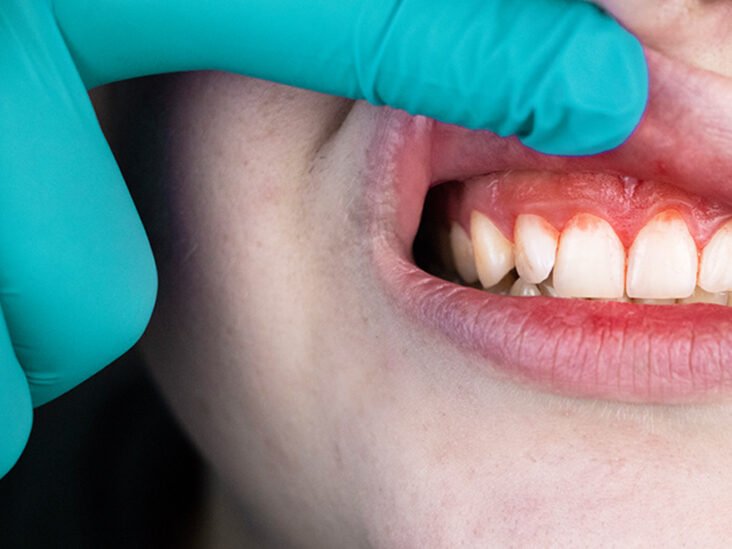
Inflamed gums, medically termed gingivitis, are a prevalent oral health concern affecting a significant portion of the global population. Characterized by redness, swelling, and bleeding, gingivitis represents the initial stage of periodontal disease, a serious condition that can lead to tooth loss if left untreated. Addressing inflamed gums requires a multifaceted approach encompassing diligent oral hygiene practices, lifestyle modifications, and, in some cases, professional dental intervention. This comprehensive guide elucidates effective strategies for resolving inflamed gums and fostering lasting gum health.
Understanding the Etiology of Gingivitis
The primary causative agent of gingivitis is bacterial plaque, a sticky biofilm that persistently accumulates on teeth and along the gum line. This plaque harbors numerous microorganisms that produce toxins, triggering an inflammatory response in the gums. The inflammatory process manifests as redness, swelling, tenderness, and bleeding upon brushing or flossing. Several contributing factors exacerbate plaque formation and the subsequent inflammatory response:
Poor Oral Hygiene Practices
Insufficient brushing and flossing allow plaque to accumulate unchecked, creating an ideal environment for bacterial proliferation and gingival inflammation. Inadequate removal of food debris and bacterial remnants further intensifies the problem.
Systemic Conditions
Certain systemic diseases, such as diabetes and hormonal imbalances, can compromise immune function, making individuals more susceptible to gum inflammation. These conditions often impair the body's ability to effectively combat bacterial infections, leading to exacerbated gingival inflammation.
Genetic Predisposition
Genetic factors can influence an individual's susceptibility to periodontal disease. Specific genetic variations may predispose certain individuals to more severe inflammatory responses to bacterial plaque, increasing their risk of gingivitis and periodontitis.
Smoking
Smoking significantly elevates the risk of gum disease. Nicotine constricts blood vessels, reducing blood flow to the gums and impairing their ability to heal. Smoking also compromises the immune system, making individuals more vulnerable to bacterial infections and inflammation.
Medication Side Effects
Certain medications, including those used to treat hypertension and some psychiatric disorders, can have a detrimental impact on oral health. These medications can lead to decreased saliva production (xerostomia), which reduces the mouth's natural cleansing ability, fostering plaque accumulation and promoting gum inflammation.
Effective Strategies for Treating Inflamed Gums
Addressing inflamed gums requires a proactive and comprehensive approach that combines meticulous oral hygiene, lifestyle adjustments, and professional dental care. The following strategies provide a roadmap to effective gum health management:
Optimal Oral Hygiene Practices
The cornerstone of preventing and treating gingivitis is meticulous oral hygiene. This involves:
- Brushing: Brushing twice daily for at least two minutes using a soft-bristled toothbrush and fluoride toothpaste. Employ gentle, circular motions, ensuring thorough cleaning of all tooth surfaces, including the gum line.
- Flossing: Flossing once daily to remove plaque and food particles from between teeth and along the gum line. Use gentle but firm motions to avoid damaging the gums.
- Mouthwash: Utilizing an antimicrobial mouthwash can supplement brushing and flossing, further reducing bacterial load and promoting gum health. Consult a dentist for recommendations on suitable mouthwash options.
- Tongue Cleaning: Gentle cleaning of the tongue can remove bacteria and reduce bad breath. A tongue scraper or toothbrush can be used.
Dietary Considerations
A balanced diet plays a crucial role in supporting overall health, including oral health. A diet rich in fruits, vegetables, and whole grains provides essential nutrients for gum tissue regeneration and immune function. Limiting sugary and processed foods minimizes plaque accumulation and reduces the risk of gum inflammation.
Lifestyle Modifications
Addressing underlying lifestyle factors that contribute to gum disease is essential for long-term gum health. This includes:
- Smoking Cessation: Quitting smoking significantly reduces the risk of gum disease and improves overall health.
- Stress Management: Chronic stress can negatively impact immune function, exacerbating gum inflammation. Stress reduction techniques, such as exercise, yoga, and meditation, can be beneficial.
- Hydration: Adequate hydration supports saliva production, which helps cleanse the mouth and prevent plaque accumulation.
Professional Dental Care
Regular professional dental cleanings and checkups are vital for maintaining optimal gum health. During these visits, a dental hygienist will remove plaque and calculus (tartar), which cannot be effectively removed through home care. The dentist will assess the condition of the gums and provide personalized recommendations for maintaining oral health.
Advanced Treatment Options for Periodontitis
If gingivitis progresses to periodontitis, characterized by gum recession, bone loss, and potential tooth loss, more advanced treatment options may be necessary. These include:
Scaling and Root Planing
This procedure involves deep cleaning beneath the gum line to remove plaque and tartar buildup. It aims to eliminate infection and promote gum tissue regeneration.
Antibiotic Therapy
In cases of severe infection, systemic or local antibiotics may be prescribed to combat bacterial growth and reduce inflammation.
Surgical Procedures
In advanced cases of periodontitis, surgical interventions may be required to restore gum tissue, bone, and periodontal support structures. These procedures may include flap surgery, bone grafting, or guided tissue regeneration.
Maintaining Long-Term Gum Health
Maintaining optimal gum health requires a lifelong commitment to consistent oral hygiene practices and regular professional dental care. By diligently following the guidelines outlined in this guide, individuals can significantly reduce their risk of gingivitis and periodontitis, preserving their teeth and gums for a lifetime.
Disclaimer: This information is intended for educational purposes only and should not be considered medical advice. Consult with a qualified dental professional for diagnosis and treatment of gum disease.

0 comments:
Post a Comment
Note: Only a member of this blog may post a comment.