Sunday, February 2, 2025

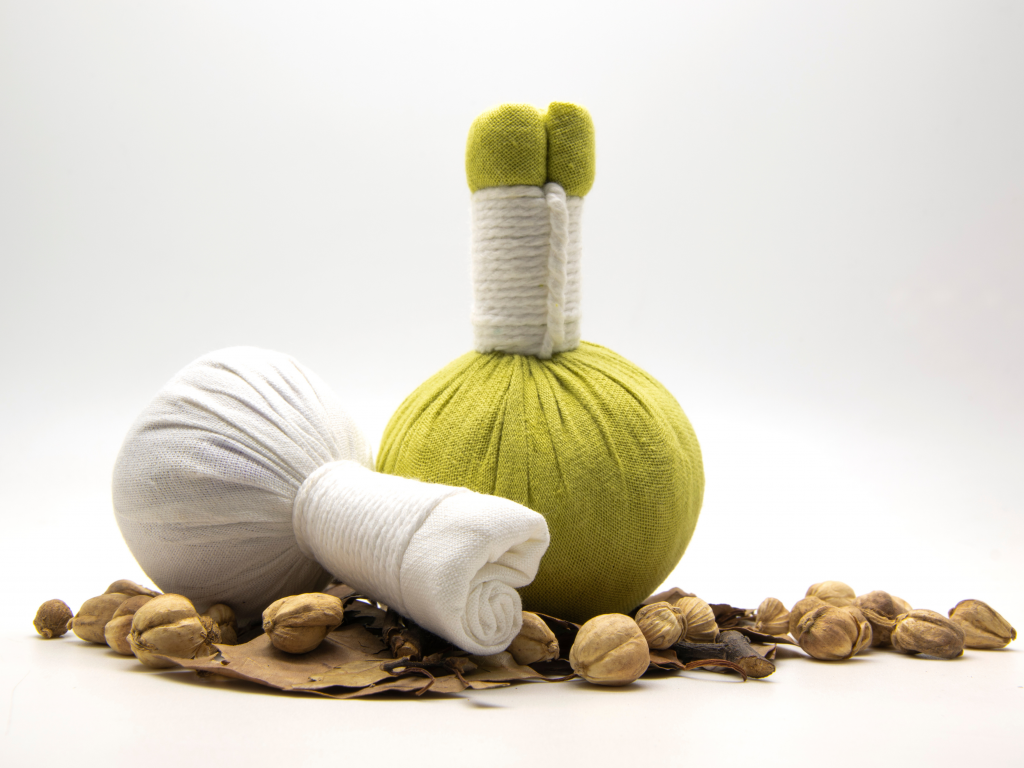
Using Herbal Compresses to Soothe Painful Gums

Using Herbal Compresses to Soothe Painful Gums

Soothe Those Sore Gums Naturally: The Herbal Compress Guide

Okay, let's talk about painful gums. Nobody likes that throbbing, aching feeling, right? It can make eating, talking, even smiling, a bit of a challenge. Before you reach for that over-the-counter pain reliever (which is totally fine, sometimes you need that!), let's explore a gentler, more natural approach: herbal compresses. They're surprisingly effective and can provide some welcome relief.

Now, I'm not a doctor, so this isn't medical advice. If you have persistent gum pain or suspect something more serious is going on, please see your dentist. This is just about exploring a supplementary, soothing method you can try at home.

Understanding the Power of Herbal Compresses

Herbal compresses work by harnessing the natural anti-inflammatory and antiseptic properties of certain plants. The warm, moist compress itself helps to increase blood flow to the area, promoting healing and reducing inflammation. The herbal infusions add an extra layer of soothing power, targeting the specific causes of your gum pain.

Think of it like a warm hug for your gums! It's gentle, it's comforting, and it can really help to ease the discomfort.

Choosing Your Herbal Allies

Not all herbs are created equal when it comes to soothing gums. Some stand out for their specific benefits. Here are a few popular choices:

Chamomile:

Known for its calming properties, chamomile is a fantastic choice for irritated gums. Its anti-inflammatory and antiseptic actions can help reduce swelling and fight infection.

Sage:

Sage is a powerhouse of goodness for oral health. It possesses astringent properties, meaning it can help to tighten tissues and reduce bleeding. It also boasts antimicrobial properties, fighting off bacteria that might be contributing to the problem.

Calendula:

Calendula is a true healer. Its anti-inflammatory and wound-healing properties make it ideal for soothing irritated and inflamed gums. It's particularly helpful if you have any minor gum injuries or sores.

Yarrow:

Yarrow is another excellent choice for its antiseptic and anti-inflammatory powers. It can help to reduce pain and promote healing in the gums.

Important Note:

Always make sure to use high-quality, organic herbs whenever possible. This minimizes the risk of pesticide or herbicide residue getting into your compress and irritating your already sensitive gums.

Making Your Herbal Compress: A Step-by-Step Guide

Making an herbal compress is surprisingly simple. Here's what you'll need:

  • 1-2 tablespoons of dried herb (or a handful of fresh herb)
  • 1 cup of boiling water
  • A small bowl
  • A clean washcloth or gauze pad
  • A towel

Here's how to do it:

  1. Steep the herbs: Place the dried or fresh herb in the bowl and pour the boiling water over it. Let it steep for 10-15 minutes, allowing the beneficial compounds to infuse into the water. You can cover the bowl to help retain the heat and steam.
  2. Prepare the compress: Once steeped, carefully remove the herb (you can squeeze out any remaining liquid). Dip the washcloth or gauze pad into the herbal infusion until it's thoroughly saturated.
  3. Apply the compress: Wring out any excess liquid so it's not dripping, and apply the warm compress to your painful gums. Hold it in place for 5-10 minutes. You can use the towel to protect your skin from the warm compress.
  4. Repeat as needed: You can repeat this process several times a day, as needed. Always make sure the compress is comfortably warm, not scalding hot.

Tips and Considerations

  • Don't use a microwave: While tempting for speed, microwaving herbal infusions can sometimes degrade their beneficial properties.
  • Test the temperature: Before applying the compress, always test it on a small area of skin to make sure it's not too hot.
  • Listen to your body: If you experience any discomfort or irritation, discontinue use and consult with your dentist or healthcare provider.
  • Combine herbs: Feel free to experiment with combining different herbs. For instance, a blend of chamomile and calendula can be particularly soothing.
  • Fresh vs. Dried: Fresh herbs generally have a stronger potency, but dried herbs are more convenient and have a longer shelf life.
  • Cleanliness is key: Always use clean bowls, washcloths, and utensils to avoid introducing bacteria.

Commonly Asked Questions

Q: How long will it take to see results?

A: This varies from person to person. Some people experience immediate relief, while others may notice a reduction in pain and inflammation over a few days of consistent use.

Q: Can I use herbal compresses for other oral health issues?

A: While herbal compresses are great for soothing painful gums, they might also offer some relief for minor mouth sores or canker sores. However, for anything more serious, always consult your dentist.

Q: Are there any side effects?

A: Generally, herbal compresses are safe and well-tolerated. However, some individuals might experience allergic reactions to certain herbs. Always test a small area of skin first before applying the compress to your gums.

Q: Can I use this method for children?

A: For children, always check with your pediatrician before using any herbal remedies. The compress should be lukewarm and only applied under adult supervision.

Q: What if my gum pain doesn't improve?

A: If your gum pain persists or worsens despite using herbal compresses, it's crucial to see your dentist or healthcare provider. They can determine the underlying cause of your pain and recommend appropriate treatment.

Remember, herbal compresses are a wonderful supplementary approach to managing gum pain, but they shouldn't replace professional dental care. Stay healthy, and happy smiling!
How Baking Soda and Aloe Vera Help Soothe Gum Pain Naturally

How Baking Soda and Aloe Vera Help Soothe Gum Pain Naturally

Soothe Those Sore Gums Naturally: The Baking Soda & Aloe Vera Power Duo

Hey everyone! Let's talk about something that's probably plagued us all at some point: gum pain. That throbbing, aching feeling that makes even the simplest things, like eating or smiling, a chore. Before you rush to the pharmacy for over-the-counter medications, let's explore a gentler, natural approach using two common household items: baking soda and aloe vera. I'm going to walk you through how these two work wonders together to soothe those irritated gums, and hopefully, give you some much-needed relief.

Understanding the Source of Your Gum Pain

Before we dive into the baking soda and aloe vera remedy, let's quickly talk about *why* your gums might be hurting. Knowing the cause can help you determine if this natural remedy is right for you, or if you need to see a dentist.

Common Culprits of Gum Pain

  • Gingivitis (Gum Inflammation): This is often caused by poor oral hygiene, leading to plaque buildup and bacterial infection. Symptoms include red, swollen, and bleeding gums.
  • Periodontitis (Gum Disease): A more severe form of gum disease, periodontitis involves damage to the soft tissues and bone supporting your teeth. It can cause persistent pain, loose teeth, and even tooth loss.
  • Abscesses: These are pockets of pus that form around the teeth or gums due to infection. They can be incredibly painful.
  • Trauma: Accidental injury to the gums, like biting your cheek or tongue, can cause pain and swelling.
  • Certain Medications: Some medications have gum inflammation as a side effect.
  • Dental Procedures: Post-procedure pain and inflammation are common.

Important Note: If your gum pain is severe, persistent, or accompanied by other symptoms like fever, swelling, or pus, it's crucial to see a dentist immediately. This natural remedy is for mild to moderate gum pain and shouldn't replace professional dental care.

The Magic of Baking Soda for Gum Health

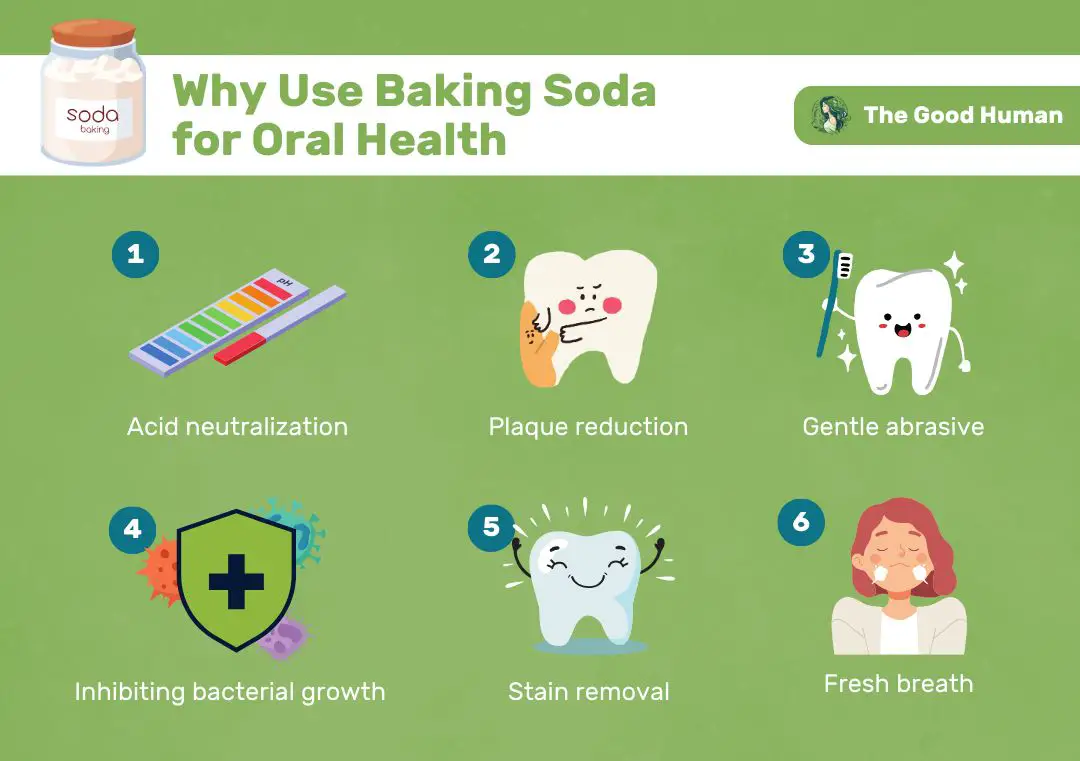
Baking soda, or sodium bicarbonate, is more than just a leavening agent for your baking! Its slightly alkaline nature makes it a fantastic tool for oral hygiene. It helps neutralize the acids produced by bacteria in your mouth, which are major contributors to gum inflammation. This neutralization effect helps create a more balanced pH level in your mouth, reducing the risk of bacterial growth and subsequent gum irritation.

How Baking Soda Fights Gum Problems

  • Neutralizes Acids: Reduces the acidic environment that promotes bacterial growth.
  • Mild Abrasive: Gently removes plaque and food particles from the gum line.
  • Anti-inflammatory Properties: Some studies suggest that baking soda may have mild anti-inflammatory effects, reducing swelling and discomfort.

However, remember that while baking soda is a helpful tool, it shouldn't be used excessively or as a replacement for regular brushing and flossing. Overuse can actually erode tooth enamel over time.

Aloe Vera: Nature's Soothing Agent

Aloe vera, known for its remarkable healing properties, is a star ingredient in many skincare products. Its gel is packed with anti-inflammatory compounds and antioxidants that can provide significant relief from gum pain and inflammation. The soothing nature of aloe vera helps reduce swelling and redness, calming irritated gums.

Aloe Vera's Benefits for Gum Health

  • Anti-inflammatory Action: Reduces swelling and redness in the gums.
  • Antibacterial Properties: Helps combat the bacteria responsible for gum infections.
  • Wound Healing: Promotes faster healing of any minor gum injuries.
  • Soothing Effect: Provides immediate relief from the burning and aching sensation.

You can use pure aloe vera gel, either from an aloe vera plant or a high-quality store-bought product. Make sure to choose a product that doesn't contain added alcohol or fragrances, as these can further irritate sensitive gums.

The Baking Soda and Aloe Vera Remedy: A Step-by-Step Guide

Now for the exciting part – putting it all together! This simple rinse is easy to make and can provide noticeable relief.

What You'll Need:

  • 1 teaspoon baking soda
  • 2 tablespoons aloe vera gel
  • 1/2 cup warm water
  • Small bowl
  • Cup for rinsing

Instructions:

  1. In a small bowl, mix the baking soda and aloe vera gel until a smooth paste forms.
  2. Add the warm water and stir gently to create a rinse.
  3. After brushing your teeth, gently swish the mixture around your mouth for 30-60 seconds, making sure to reach all areas of your gums.
  4. Spit out the mixture and rinse your mouth thoroughly with plain water.
  5. Repeat this process once or twice a day, as needed, for relief.

Important: Don't swallow the mixture. It's for external use only. Also, start with a small amount to see how your gums react before increasing the frequency or concentration.

Maintaining Good Oral Hygiene

While this baking soda and aloe vera rinse can be a helpful tool for soothing gum pain, it's essential to remember that it's not a long-term solution. Good oral hygiene is crucial for preventing and managing gum problems. Here are some key practices to follow:

  • Brush your teeth twice a day: Use a soft-bristled toothbrush and fluoride toothpaste.
  • Floss daily: Removes food particles and plaque from between your teeth.
  • Use an antimicrobial mouthwash: Can help reduce bacteria in the mouth.
  • See your dentist regularly: Professional cleanings and checkups are essential for maintaining optimal oral health.
  • Eat a healthy diet: Limit sugary and acidic foods and drinks.

Frequently Asked Questions

Q: How long does it take to see results?

A: You might feel some relief from the soothing properties of aloe vera almost immediately. For significant improvement in gum inflammation, it may take a few days of consistent use.

Q: Can I use this rinse if I have sensitive teeth?

A: Baking soda can be slightly abrasive. If you have sensitive teeth, start with a smaller amount of baking soda or dilute the mixture further with water. If irritation persists, stop using it and consult your dentist.

Q: Is this a replacement for professional dental care?

A: Absolutely not! This is a natural remedy for mild to moderate gum pain. If your gum pain is severe, persistent, or accompanied by other symptoms, you must see a dentist for proper diagnosis and treatment.

Q: Can I use this on children?

A: It's best to consult your pediatrician or dentist before using this rinse on children. They can advise you on the appropriate dosage and frequency.

Q: Where can I buy high-quality aloe vera gel?

A: You can find high-quality aloe vera gel at most health food stores, pharmacies, and online retailers. Look for products that are 100% pure aloe vera gel with no added ingredients.

Remember, this information is for general knowledge and shouldn't be considered medical advice. Always consult your dentist or doctor for any concerns regarding your oral health.

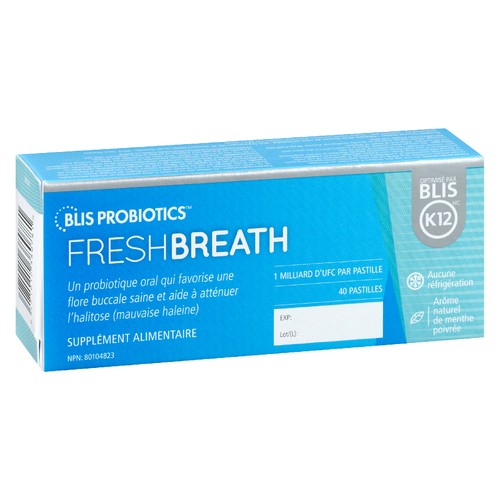
Probiotics for Fresh Breath: How They Help Prevent Oral Odor

Probiotics for Fresh Breath: How They Help Prevent Oral Odor

Probiotics for Fresh Breath: How They Help Prevent Oral Odor

Halitosis, commonly known as bad breath, is a prevalent issue affecting a significant portion of the global population. While various factors contribute to its development, the role of oral microbiota, specifically the imbalance between beneficial and harmful bacteria, is increasingly recognized. This imbalance, termed dysbiosis, creates an environment conducive to the production of volatile sulfur compounds (VSCs), the primary culprits behind unpleasant breath odor. Emerging research highlights the potential of probiotics, live microorganisms that confer health benefits when administered in adequate amounts, as a promising strategy for combating halitosis by restoring the oral microbiome's equilibrium.

The Oral Microbiome and Halitosis

The human mouth harbors a complex and diverse community of microorganisms, collectively known as the oral microbiome. This intricate ecosystem comprises bacteria, archaea, fungi, and viruses, interacting dynamically with each other and the host. A healthy oral microbiome is characterized by a balanced composition of these microorganisms, with a predominance of beneficial species that contribute to oral health. However, various factors can disrupt this delicate balance, leading to dysbiosis.

Factors Contributing to Oral Dysbiosis and Halitosis

Several factors can contribute to the development of oral dysbiosis and subsequent halitosis. These include:

  • Poor oral hygiene: Inadequate brushing and flossing allow the accumulation of food particles and bacterial biofilm (plaque) on teeth and gums, creating a breeding ground for odor-producing bacteria.
  • Diet: Certain foods, such as those rich in sulfur-containing amino acids (e.g., garlic, onions), can contribute to the production of VSCs.
  • Smoking and alcohol consumption: These habits negatively impact oral health, increasing the risk of gum disease (gingivitis and periodontitis) and promoting the growth of odor-producing bacteria.
  • Dry mouth (xerostomia): Reduced saliva flow impairs the natural cleansing mechanism of the mouth, allowing bacterial overgrowth and increased VSC production.
  • Systemic diseases: Certain medical conditions, such as diabetes and kidney disease, can indirectly influence the oral microbiome and contribute to halitosis.
  • Medication side effects: Some medications, notably those that cause dry mouth, can indirectly increase the risk of halitosis.

The Role of Probiotics in Restoring Oral Microbiome Balance

Probiotics, when ingested or applied topically to the oral cavity, can help restore the balance of the oral microbiome by:

  • Competing with pathogenic bacteria: Probiotic bacteria can compete with harmful bacteria for nutrients and adhesion sites on the tooth surface and gums, thus limiting their growth and VSC production.
  • Producing antimicrobial substances: Some probiotic strains produce bacteriocin-like inhibitory substances, which inhibit the growth of other bacteria, including those responsible for halitosis.
  • Modulating the immune response: Probiotics can influence the host's immune response, enhancing the body's ability to combat harmful bacteria and reduce inflammation in the oral cavity. This is particularly relevant in cases of gingivitis and periodontitis, which significantly contribute to halitosis.
  • Altering the production of volatile sulfur compounds (VSCs): By altering the bacterial community composition, probiotics can directly reduce the production of VSCs, the main cause of halitosis. This includes reducing the levels of sulfate-reducing bacteria which are primarily responsible for VSC production.
  • Improving saliva composition: Some evidence suggests that certain probiotic strains may positively influence the composition and properties of saliva, improving its protective functions against halitosis.

Specific Probiotic Strains and Their Potential in Halitosis Management

While research is ongoing, several probiotic strains have shown promising results in reducing halitosis. These include, but are not limited to:

  • Lactobacillus species: Various Lactobacillus strains, including L. reuteri, L. casei, and L. rhamnosus, have demonstrated efficacy in reducing VSCs and improving oral health parameters.
  • Streptococcus salivarius K12: This strain has been extensively studied for its ability to inhibit the growth of pathogenic bacteria in the oral cavity and reduce halitosis.
  • Weissella cibaria: Some studies suggest that this strain can contribute to a reduction in VSCs.

Mechanisms of Action of Specific Probiotic Strains

The mechanisms through which these probiotic strains exert their beneficial effects vary. For instance, Streptococcus salivarius K12 produces bacteriocin-like inhibitory substances that specifically target harmful bacteria, while Lactobacillus species can compete for nutrients and binding sites, thus reducing the colonization of odor-producing bacteria. Further research is crucial to fully elucidate the mechanisms underlying the efficacy of each probiotic strain in halitosis management.

Limitations and Future Directions

Despite the promising potential of probiotics in combating halitosis, some limitations need to be addressed. The efficacy of probiotic interventions can vary depending on the specific strain, dosage, delivery method, and individual patient characteristics. Furthermore, more large-scale, well-designed clinical trials are needed to confirm the long-term benefits and establish standardized treatment protocols. The interactions between different probiotic strains within the oral microbiome also require further investigation to optimize treatment efficacy.

Future research should focus on identifying the most effective probiotic strains and combinations for specific halitosis subtypes, as well as developing innovative delivery systems, such as probiotic mouthwashes, lozenges, and dentifrices, to enhance their accessibility and efficacy. Personalized probiotic therapies tailored to the individual's oral microbiome profile might represent a future direction in halitosis management.

Conclusion

Probiotics offer a promising, natural approach to managing halitosis by restoring the balance of the oral microbiome. While further research is needed to fully elucidate their mechanisms of action and optimize their clinical application, the existing evidence strongly suggests that probiotics could play a significant role in preventing and treating oral malodor. The development of effective probiotic-based interventions holds significant potential for improving oral health and overall well-being.

How Purple Carrots Improve Oral Health and Prevent Cavities

How Purple Carrots Improve Oral Health and Prevent Cavities

The Potential of Purple Carrots in Enhancing Oral Health and Cavity Prevention

The pursuit of optimal oral health is a continuous endeavor, demanding a multifaceted approach encompassing diligent hygiene practices, a balanced diet, and regular professional care. While traditional methods remain crucial, emerging research highlights the potential of certain foods to contribute significantly to oral well-being. Among these, purple carrots, a vibrant variant of the common carrot, are attracting attention for their unique phytochemical composition and consequent impact on oral health, particularly in the prevention of dental caries (cavities).

The Unique Phytochemical Profile of Purple Carrots

Unlike their orange counterparts, purple carrots owe their distinctive hue to the presence of anthocyanins, a diverse group of water-soluble pigments belonging to the flavonoid family. These anthocyanins are not merely responsible for the captivating color; they possess potent antioxidant and anti-inflammatory properties, contributing significantly to the overall health benefits of purple carrots. The specific anthocyanin profile varies depending on the cultivar and growing conditions, but common anthocyanins found in purple carrots include cyanidin-3-glucoside, pelargonidin-3-glucoside, and peonidin-3-glucoside.

Antioxidant Capacity and Oral Health

Oxidative stress, characterized by an imbalance between the production of reactive oxygen species (ROS) and the body's antioxidant defense mechanisms, plays a significant role in the pathogenesis of various oral diseases, including gingivitis, periodontitis, and dental caries. The high antioxidant capacity of purple carrots, largely attributed to their anthocyanin content, can effectively neutralize ROS, mitigating oxidative damage to oral tissues. This protective effect extends to the enamel, the outermost layer of teeth, shielding it from the deleterious effects of acid erosion and bacterial attack.

Anti-inflammatory Properties and Gum Health

Inflammation is a fundamental component of many periodontal diseases. The anti-inflammatory properties of anthocyanins in purple carrots can help regulate the inflammatory response in the gums, potentially reducing the severity of gingivitis and periodontitis. These compounds work by inhibiting the production of pro-inflammatory cytokines and mediators, promoting a healthier gingival environment and reducing the risk of gum disease progression.

Mechanisms of Cavity Prevention by Purple Carrots

The prevention of dental caries, commonly known as cavities, is a primary focus of oral health maintenance. Purple carrots contribute to this prevention through several mechanisms:

Enhanced Saliva Production and pH Regulation

Adequate saliva production is crucial for maintaining oral hygiene. Saliva acts as a natural buffer, neutralizing acids produced by oral bacteria, and washes away food debris and microorganisms. The consumption of crunchy vegetables like purple carrots stimulates saliva production, promoting a more alkaline oral environment, less conducive to bacterial growth and acid erosion of enamel. This mechanical cleansing action, combined with the saliva's buffering capacity, plays a vital role in preventing cavities.

Antibacterial Activity Against Cariogenic Bacteria

Specific anthocyanins found in purple carrots have demonstrated in vitro antibacterial activity against Streptococcus mutans, a key bacterium responsible for dental caries. This activity may involve several mechanisms, including disruption of bacterial cell membranes and inhibition of bacterial enzyme activity. While further in vivo studies are needed to confirm these effects in humans, the preliminary findings suggest a potential for purple carrots to directly inhibit the growth of cavity-causing bacteria.

Strengthening Tooth Enamel

The rich nutrient profile of purple carrots, including vitamins and minerals like vitamin A, vitamin C, and various minerals, may contribute to the strengthening of tooth enamel. Vitamin A, for example, plays a role in maintaining the integrity of the oral mucosa, while vitamin C is crucial for collagen synthesis, supporting gum health and indirectly protecting enamel. A healthy, strong enamel surface offers better resistance to the acids produced by oral bacteria, reducing the risk of cavity formation.

Supporting Evidence and Research Gaps

While the potential benefits of purple carrots for oral health are promising, the existing research is still in its early stages. Many studies have focused on the antioxidant and anti-inflammatory properties of anthocyanins in general, rather than specifically on their effects within the oral cavity. More research is needed to fully understand the mechanisms through which purple carrots exert their protective effects on teeth and gums.

Specifically, further research is needed in the following areas:

  • Large-scale human clinical trials to evaluate the efficacy of purple carrot consumption in preventing dental caries and periodontal disease.
  • Studies to determine the optimal dose and frequency of purple carrot consumption for achieving maximal oral health benefits.
  • Investigations into the bioavailability of anthocyanins and other beneficial compounds in purple carrots and their absorption in the oral cavity.
  • Comparative studies comparing the effects of purple carrots with other fruits and vegetables known to have beneficial effects on oral health.

Conclusion and Recommendations

Purple carrots, with their unique phytochemical profile rich in anthocyanins, hold significant promise for enhancing oral health and contributing to cavity prevention. Their antioxidant and anti-inflammatory properties, combined with their potential to stimulate saliva production and inhibit cariogenic bacteria, offer a compelling rationale for their inclusion in a holistic oral health strategy. While further research is necessary to fully elucidate the mechanisms of action and confirm the clinical efficacy in humans, the available evidence suggests that incorporating purple carrots into a balanced diet may represent a valuable addition to existing oral hygiene practices.

Disclaimer: This article is intended for informational purposes only and should not be considered medical advice. Always consult with a qualified dental professional for any concerns regarding your oral health.

The Importance of Oral Probiotics in Preventing Tooth Decay

The Importance of Oral Probiotics in Preventing Tooth Decay

The Importance of Oral Probiotics in Preventing Tooth Decay

Dental caries, commonly known as tooth decay, remains a significant global health problem affecting individuals of all ages. While traditional preventative measures such as brushing, flossing, and fluoride treatments are crucial, emerging research highlights the significant role of oral probiotics in bolstering oral health and mitigating the risk of caries development. This article will explore the multifaceted mechanisms through which oral probiotics contribute to caries prevention, discuss the selection and application of effective probiotic strains, and examine the current evidence supporting their efficacy.

The Oral Microbiome and its Role in Caries Development

The oral cavity harbors a complex and dynamic ecosystem of microorganisms, collectively known as the oral microbiome. This microbiome comprises a diverse range of bacteria, fungi, viruses, and archaea, interacting in a intricate network of symbiotic and competitive relationships. A balanced and stable microbiome is crucial for maintaining oral health. However, a shift in the microbial community composition, termed dysbiosis, can disrupt this equilibrium, leading to various oral diseases, including caries.

Caries pathogenesis is primarily driven by acidogenic bacteria, most notably Streptococcus mutans and Lactobacillus species. These bacteria metabolize dietary sugars, particularly sucrose, producing lactic acid as a byproduct. This acid subsequently demineralizes the tooth enamel, initiating the caries process. The severity of caries depends on several factors, including the quantity and virulence of acidogenic bacteria, the frequency of sugar intake, and the individual's salivary buffering capacity.

The Concept of Microbial Homeostasis

Maintaining a healthy balance within the oral microbiome is essential for preventing caries. A healthy microbiome is characterized by a high diversity of bacterial species, with a prevalence of commensal bacteria that inhibit the growth of pathogenic strains. These commensal bacteria compete with acidogenic bacteria for nutrients and space, preventing their overgrowth. They also produce substances with antimicrobial properties, further suppressing the activity of caries-causing bacteria.

The Mechanism of Action of Oral Probiotics

Oral probiotics, defined as live microorganisms that, when administered in adequate amounts, confer a health benefit on the host, offer a promising approach to modulating the oral microbiome and preventing caries. Their mechanisms of action are multifaceted and include:

  • Competitive exclusion: Probiotic bacteria compete with pathogenic bacteria for adhesion sites on the tooth surface and for nutrients, thereby limiting the colonization and growth of cariogenic species.
  • Production of antimicrobial substances: Certain probiotic strains produce bacteriocin, hydrogen peroxide, and other antimicrobial compounds that inhibit the growth and activity of S. mutans and other caries-causing bacteria.
  • Modulation of the host immune response: Probiotics can stimulate the host's immune system, enhancing its ability to combat infection and inflammation. This includes the activation of salivary IgA production, which plays a crucial role in neutralizing pathogenic bacteria.
  • Enhancement of remineralization: Some probiotic strains can enhance the remineralization process of the tooth enamel, thereby repairing early carious lesions. This is often achieved through the production of metabolites that promote mineral deposition.
  • Regulation of pH: Probiotics can contribute to the maintenance of a neutral or slightly alkaline pH in the oral cavity, reducing the acidity conducive to enamel demineralization.

Selection and Application of Effective Probiotic Strains

The efficacy of oral probiotics in caries prevention is highly dependent on the selection of appropriate strains. Not all probiotic strains are equally effective, and some may even have adverse effects. Several strains have shown promising results in clinical studies, including:

  • Lactobacillus rhamnosus GG
  • Lactobacillus reuteri
  • Streptococcus salivarius K12
  • Weissella cibaria

The choice of probiotic strain should be guided by its documented efficacy in reducing caries incidence, its safety profile, and its ability to survive transit through the gastrointestinal tract and colonize the oral cavity. The delivery method of the probiotic also plays a critical role. Probiotics are available in various forms including lozenges, chewing gums, mouthwashes, and toothpastes. The chosen delivery method should ensure adequate delivery of viable bacteria to the target site within the oral cavity.

Evidence Supporting the Efficacy of Oral Probiotics

While the evidence base for the efficacy of oral probiotics in caries prevention is still evolving, numerous clinical studies have demonstrated their potential benefits. Several randomized controlled trials have shown that the regular use of oral probiotics can reduce the prevalence of S. mutans, decrease the incidence of caries, and improve various measures of oral health. These studies, however, vary in terms of the probiotic strains used, the duration of intervention, and the study population. More large-scale, long-term studies are needed to fully elucidate the long-term effects and to establish clear clinical guidelines for the use of oral probiotics in caries prevention.

Limitations and Challenges

Despite the promising results of several studies, some limitations need to be acknowledged. The efficacy of oral probiotics can vary depending on several factors, including the specific probiotic strain used, the dosage, the duration of treatment, and the individual's oral microbiome composition. Furthermore, the standardization of probiotic products and the lack of consistent methodologies across different studies make it challenging to draw definitive conclusions about their overall efficacy. Further research is required to establish clear guidelines for the selection, dosage, and application of oral probiotics for caries prevention.

Conclusion

Oral probiotics represent a promising adjunct to traditional caries preventative measures. Their ability to modulate the oral microbiome, inhibit the growth of cariogenic bacteria, and enhance the host's immune response makes them a valuable tool in the fight against tooth decay. While more research is needed to establish clear clinical guidelines, the available evidence strongly suggests that oral probiotics can play a significant role in maintaining oral health and reducing the risk of caries development. The integration of oral probiotics into comprehensive oral hygiene strategies offers a potential pathway towards improving global oral health outcomes.

How to Treat Gum Pain from Toothpaste Sensitivity with Baking Soda

How to Treat Gum Pain from Toothpaste Sensitivity with Baking Soda

Soothe Sensitive Gums: A Baking Soda Approach

Dealing with nagging gum pain triggered by your toothpaste? You're not alone. Many people experience sensitivity, often characterized by a stinging or burning sensation after brushing. While switching to a sensitive-teeth toothpaste is a common solution, a simple, natural remedy might already be in your pantry: baking soda. This article explores how to harness the power of baking soda to alleviate your gum pain and restore comfort to your smile.

Understanding the Cause of Toothpaste Sensitivity

Before diving into the baking soda solution, let's briefly understand why your toothpaste might be causing gum irritation. Several factors contribute to this sensitivity. Ingredients like sodium lauryl sulfate (SLS), a common foaming agent, can irritate the gums and exacerbate existing inflammation. Aggressive brushing, using a hard-bristled brush, or even brushing too frequently can also damage gum tissue, leaving it vulnerable to pain. Underlying gum conditions, such as gingivitis or periodontitis, can also increase your sensitivity to toothpaste ingredients.

Baking Soda: A Gentle Approach to Gum Soothe

Baking soda, or sodium bicarbonate, possesses remarkable properties that can aid in soothing sensitive gums. Its mildly alkaline nature helps neutralize the acidity in your mouth, which can contribute to gum inflammation. Furthermore, its gentle abrasive quality can help remove plaque and food particles without causing further damage to already irritated gums. This dual action – neutralizing acidity and gently cleaning – makes it a valuable tool in managing toothpaste-induced gum pain.

Creating Your Baking Soda Rinse

Preparing a baking soda rinse is incredibly simple. Mix about half a teaspoon of baking soda with half a cup of warm water. Stir until the baking soda is completely dissolved. This creates a gentle, effective rinse that you can use to alleviate your gum pain.

Using the Baking Soda Rinse Effectively

To maximize its effectiveness, follow these steps:

  • After brushing with your regular toothpaste (or a sensitive toothpaste if preferred), rinse your mouth thoroughly with the baking soda solution.
  • Swirl the solution around your mouth for at least 30 seconds, gently massaging it into your gums.
  • Spit out the solution and rinse your mouth with plain water to remove any residual baking soda.
  • Avoid swallowing the baking soda rinse.
  • Repeat this process once or twice daily, as needed, to manage your gum pain.

Important Considerations and Precautions

While baking soda is generally safe, it's crucial to use it judiciously. Overuse can disrupt the natural pH balance of your mouth, potentially leading to other issues. If your gum pain persists or worsens despite using a baking soda rinse, consult your dentist. Underlying dental problems might require professional attention. Also, avoid using baking soda if you have any known allergies or sensitivities.

Remember, baking soda can provide temporary relief from toothpaste-induced gum pain. For long-term solutions, consider switching to a toothpaste formulated for sensitive teeth or adjusting your brushing technique to be gentler on your gums. By combining a baking soda rinse with these proactive measures, you can effectively manage your gum sensitivity and maintain a healthy, happy smile.

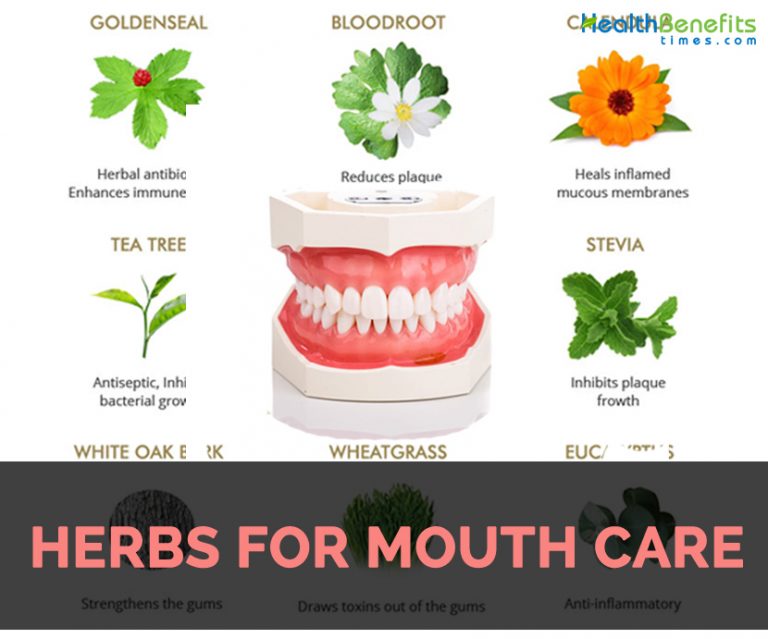
The Best Herbal Remedies for Healthy Teeth and Gums

The Best Herbal Remedies for Healthy Teeth and Gums

The Best Herbal Remedies for Healthy Teeth and Gums

Maintaining optimal oral hygiene is paramount for overall health and well-being. While modern dentistry offers a range of effective treatments, many individuals are increasingly turning to natural remedies, particularly herbal options, to complement their oral care routines and address specific concerns. This article explores the evidence-based benefits of several herbal remedies for promoting healthy teeth and gums, emphasizing their potential applications and limitations.

The Role of Herbs in Oral Health

Throughout history, various cultures have utilized plants for their medicinal properties, including those beneficial to oral health. Many herbs possess antimicrobial, anti-inflammatory, and analgesic attributes, making them potentially valuable adjuncts in preventing and managing oral diseases. However, it is crucial to understand that herbal remedies should not replace professional dental care. They are most effective when used in conjunction with regular brushing, flossing, and professional dental checkups.

Mechanisms of Action

The beneficial effects of herbal remedies on oral health often stem from their bioactive compounds. These compounds can exhibit a range of activities, including:

  • Antimicrobial activity: Many herbs contain compounds that inhibit the growth of bacteria associated with gingivitis, periodontitis, and dental caries (tooth decay).
  • Anti-inflammatory effects: Inflammation plays a significant role in gum disease. Certain herbal extracts can reduce inflammation, alleviating symptoms such as swelling, redness, and bleeding gums.
  • Analgesic properties: Some herbs offer pain-relieving effects, which can be beneficial in managing the discomfort associated with gum disease or tooth sensitivity.
  • Antioxidant activity: Oxidative stress contributes to the progression of periodontal diseases. Antioxidants found in certain herbs can help neutralize free radicals and protect against oxidative damage.

Promising Herbal Remedies for Oral Health

Several herbs have demonstrated promising results in preclinical and clinical studies regarding their potential benefits for oral health. However, more research, particularly large-scale, randomized controlled trials, is needed to definitively establish their efficacy and safety in human populations.

Myrrh

Myrrh, derived from the resin of Commiphora trees, possesses strong antimicrobial and anti-inflammatory properties. Studies have indicated its potential in reducing plaque accumulation, gingivitis, and bleeding gums. It's often used in mouthwashes and toothpastes. However, its use should be carefully considered, as it can cause allergic reactions in some individuals.

Tea Tree Oil

Tea tree oil, extracted from the leaves of the Melaleuca alternifolia tree, exhibits potent antimicrobial activity against various oral bacteria. Research suggests it may be helpful in reducing gingivitis and plaque. However, it should be used with caution, as undiluted tea tree oil can be irritating to the oral mucosa. It is best incorporated into oral care products at recommended dilutions.

Clove

Clove, derived from the Syzygium aromaticum plant, has long been recognized for its analgesic and antimicrobial properties. Eugenol, a major component of clove oil, possesses potent antibacterial and anesthetic effects, making it useful for relieving toothache pain and reducing inflammation. It is often found in over-the-counter dental remedies, but direct application of undiluted clove oil should be avoided due to potential irritation.

Aloe Vera

Aloe vera, known for its healing properties, exhibits anti-inflammatory and antimicrobial activity. Its gel can help soothe irritated gums and promote faster healing of minor oral wounds. However, further research is needed to fully understand its efficacy in managing periodontal disease.

Neem

Neem, derived from the Azadirachta indica tree, has been traditionally used in India for oral hygiene. Its extracts possess antibacterial, anti-inflammatory, and antioxidant properties. Studies suggest its potential in reducing plaque and gingivitis. Neem-based toothpastes and mouthwashes are readily available, but individual reactions should be monitored.

Sage

Sage (Salvia officinalis) has been used for centuries for its antimicrobial and anti-inflammatory properties. Studies indicate its potential in reducing gingivitis and improving oral hygiene. It's often incorporated into mouthwashes and gargles.

Precautions and Considerations

While herbal remedies can be beneficial adjuncts to oral care, it's essential to exercise caution:

  • Allergic reactions: Individuals may experience allergic reactions to certain herbs. It is advisable to perform a patch test before using any herbal remedy extensively.
  • Interactions with medications: Some herbal remedies can interact with prescription medications. Consult your physician or dentist before using herbal remedies, particularly if you are taking other medications.
  • Lack of standardization: The quality and potency of herbal products can vary significantly depending on the source and manufacturing process. Choosing reputable brands is crucial.
  • Not a replacement for professional care: Herbal remedies should never replace regular dental checkups and professional cleaning. Early detection and treatment of oral diseases are crucial for preventing serious complications.
  • Potential toxicity: Some herbal remedies, if ingested in large quantities or used improperly, can be toxic. Always follow recommended dosages and instructions.

Conclusion

Several herbal remedies hold promise for enhancing oral health, offering natural alternatives to address specific concerns such as gingivitis and plaque accumulation. However, it is crucial to remember that these remedies should be viewed as complementary therapies, not replacements for professional dental care. Thorough research and careful selection of high-quality products, coupled with consistent oral hygiene practices and regular dental checkups, provide the best approach to maintaining healthy teeth and gums for a lifetime.

Disclaimer: This article provides general information and should not be considered medical advice. Consult your dentist or healthcare provider before using any herbal remedy for oral health concerns.