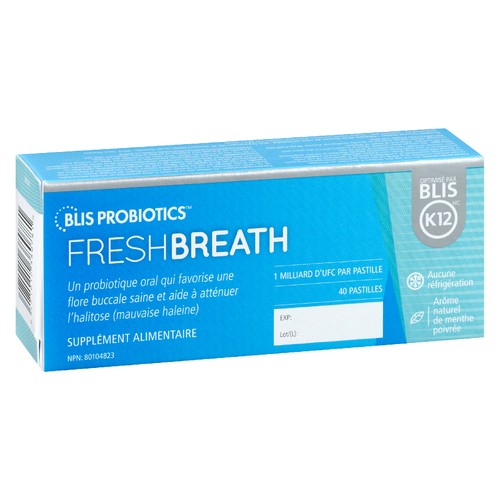
Probiotics for Fresh Breath: How They Help Prevent Oral Odor
Halitosis, commonly known as bad breath, is a prevalent issue affecting a significant portion of the global population. While various factors contribute to its development, the role of oral microbiota, specifically the imbalance between beneficial and harmful bacteria, is increasingly recognized. This imbalance, termed dysbiosis, creates an environment conducive to the production of volatile sulfur compounds (VSCs), the primary culprits behind unpleasant breath odor. Emerging research highlights the potential of probiotics, live microorganisms that confer health benefits when administered in adequate amounts, as a promising strategy for combating halitosis by restoring the oral microbiome's equilibrium.
The Oral Microbiome and Halitosis
The human mouth harbors a complex and diverse community of microorganisms, collectively known as the oral microbiome. This intricate ecosystem comprises bacteria, archaea, fungi, and viruses, interacting dynamically with each other and the host. A healthy oral microbiome is characterized by a balanced composition of these microorganisms, with a predominance of beneficial species that contribute to oral health. However, various factors can disrupt this delicate balance, leading to dysbiosis.
Factors Contributing to Oral Dysbiosis and Halitosis
Several factors can contribute to the development of oral dysbiosis and subsequent halitosis. These include:
- Poor oral hygiene: Inadequate brushing and flossing allow the accumulation of food particles and bacterial biofilm (plaque) on teeth and gums, creating a breeding ground for odor-producing bacteria.
- Diet: Certain foods, such as those rich in sulfur-containing amino acids (e.g., garlic, onions), can contribute to the production of VSCs.
- Smoking and alcohol consumption: These habits negatively impact oral health, increasing the risk of gum disease (gingivitis and periodontitis) and promoting the growth of odor-producing bacteria.
- Dry mouth (xerostomia): Reduced saliva flow impairs the natural cleansing mechanism of the mouth, allowing bacterial overgrowth and increased VSC production.
- Systemic diseases: Certain medical conditions, such as diabetes and kidney disease, can indirectly influence the oral microbiome and contribute to halitosis.
- Medication side effects: Some medications, notably those that cause dry mouth, can indirectly increase the risk of halitosis.
The Role of Probiotics in Restoring Oral Microbiome Balance
Probiotics, when ingested or applied topically to the oral cavity, can help restore the balance of the oral microbiome by:
- Competing with pathogenic bacteria: Probiotic bacteria can compete with harmful bacteria for nutrients and adhesion sites on the tooth surface and gums, thus limiting their growth and VSC production.
- Producing antimicrobial substances: Some probiotic strains produce bacteriocin-like inhibitory substances, which inhibit the growth of other bacteria, including those responsible for halitosis.
- Modulating the immune response: Probiotics can influence the host's immune response, enhancing the body's ability to combat harmful bacteria and reduce inflammation in the oral cavity. This is particularly relevant in cases of gingivitis and periodontitis, which significantly contribute to halitosis.
- Altering the production of volatile sulfur compounds (VSCs): By altering the bacterial community composition, probiotics can directly reduce the production of VSCs, the main cause of halitosis. This includes reducing the levels of sulfate-reducing bacteria which are primarily responsible for VSC production.
- Improving saliva composition: Some evidence suggests that certain probiotic strains may positively influence the composition and properties of saliva, improving its protective functions against halitosis.
Specific Probiotic Strains and Their Potential in Halitosis Management
While research is ongoing, several probiotic strains have shown promising results in reducing halitosis. These include, but are not limited to:
- Lactobacillus species: Various Lactobacillus strains, including L. reuteri, L. casei, and L. rhamnosus, have demonstrated efficacy in reducing VSCs and improving oral health parameters.
- Streptococcus salivarius K12: This strain has been extensively studied for its ability to inhibit the growth of pathogenic bacteria in the oral cavity and reduce halitosis.
- Weissella cibaria: Some studies suggest that this strain can contribute to a reduction in VSCs.
Mechanisms of Action of Specific Probiotic Strains
The mechanisms through which these probiotic strains exert their beneficial effects vary. For instance, Streptococcus salivarius K12 produces bacteriocin-like inhibitory substances that specifically target harmful bacteria, while Lactobacillus species can compete for nutrients and binding sites, thus reducing the colonization of odor-producing bacteria. Further research is crucial to fully elucidate the mechanisms underlying the efficacy of each probiotic strain in halitosis management.
Limitations and Future Directions
Despite the promising potential of probiotics in combating halitosis, some limitations need to be addressed. The efficacy of probiotic interventions can vary depending on the specific strain, dosage, delivery method, and individual patient characteristics. Furthermore, more large-scale, well-designed clinical trials are needed to confirm the long-term benefits and establish standardized treatment protocols. The interactions between different probiotic strains within the oral microbiome also require further investigation to optimize treatment efficacy.
Future research should focus on identifying the most effective probiotic strains and combinations for specific halitosis subtypes, as well as developing innovative delivery systems, such as probiotic mouthwashes, lozenges, and dentifrices, to enhance their accessibility and efficacy. Personalized probiotic therapies tailored to the individual's oral microbiome profile might represent a future direction in halitosis management.
Conclusion
Probiotics offer a promising, natural approach to managing halitosis by restoring the balance of the oral microbiome. While further research is needed to fully elucidate their mechanisms of action and optimize their clinical application, the existing evidence strongly suggests that probiotics could play a significant role in preventing and treating oral malodor. The development of effective probiotic-based interventions holds significant potential for improving oral health and overall well-being.

0 comments:
Post a Comment
Note: Only a member of this blog may post a comment.