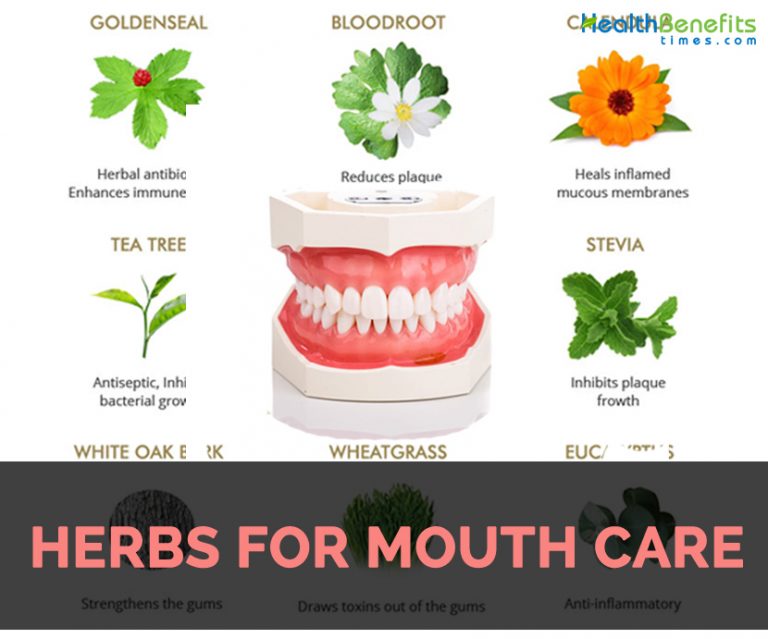
The Best Herbal Remedies for Healthy Teeth and Gums
Maintaining optimal oral hygiene is paramount for overall health and well-being. While modern dentistry offers a range of effective treatments, many individuals are increasingly turning to natural remedies, particularly herbal options, to complement their oral care routines and address specific concerns. This article explores the evidence-based benefits of several herbal remedies for promoting healthy teeth and gums, emphasizing their potential applications and limitations.
The Role of Herbs in Oral Health
Throughout history, various cultures have utilized plants for their medicinal properties, including those beneficial to oral health. Many herbs possess antimicrobial, anti-inflammatory, and analgesic attributes, making them potentially valuable adjuncts in preventing and managing oral diseases. However, it is crucial to understand that herbal remedies should not replace professional dental care. They are most effective when used in conjunction with regular brushing, flossing, and professional dental checkups.
Mechanisms of Action
The beneficial effects of herbal remedies on oral health often stem from their bioactive compounds. These compounds can exhibit a range of activities, including:
- Antimicrobial activity: Many herbs contain compounds that inhibit the growth of bacteria associated with gingivitis, periodontitis, and dental caries (tooth decay).
- Anti-inflammatory effects: Inflammation plays a significant role in gum disease. Certain herbal extracts can reduce inflammation, alleviating symptoms such as swelling, redness, and bleeding gums.
- Analgesic properties: Some herbs offer pain-relieving effects, which can be beneficial in managing the discomfort associated with gum disease or tooth sensitivity.
- Antioxidant activity: Oxidative stress contributes to the progression of periodontal diseases. Antioxidants found in certain herbs can help neutralize free radicals and protect against oxidative damage.
Promising Herbal Remedies for Oral Health
Several herbs have demonstrated promising results in preclinical and clinical studies regarding their potential benefits for oral health. However, more research, particularly large-scale, randomized controlled trials, is needed to definitively establish their efficacy and safety in human populations.
Myrrh
Myrrh, derived from the resin of Commiphora trees, possesses strong antimicrobial and anti-inflammatory properties. Studies have indicated its potential in reducing plaque accumulation, gingivitis, and bleeding gums. It's often used in mouthwashes and toothpastes. However, its use should be carefully considered, as it can cause allergic reactions in some individuals.
Tea Tree Oil
Tea tree oil, extracted from the leaves of the Melaleuca alternifolia tree, exhibits potent antimicrobial activity against various oral bacteria. Research suggests it may be helpful in reducing gingivitis and plaque. However, it should be used with caution, as undiluted tea tree oil can be irritating to the oral mucosa. It is best incorporated into oral care products at recommended dilutions.
Clove
Clove, derived from the Syzygium aromaticum plant, has long been recognized for its analgesic and antimicrobial properties. Eugenol, a major component of clove oil, possesses potent antibacterial and anesthetic effects, making it useful for relieving toothache pain and reducing inflammation. It is often found in over-the-counter dental remedies, but direct application of undiluted clove oil should be avoided due to potential irritation.
Aloe Vera
Aloe vera, known for its healing properties, exhibits anti-inflammatory and antimicrobial activity. Its gel can help soothe irritated gums and promote faster healing of minor oral wounds. However, further research is needed to fully understand its efficacy in managing periodontal disease.
Neem
Neem, derived from the Azadirachta indica tree, has been traditionally used in India for oral hygiene. Its extracts possess antibacterial, anti-inflammatory, and antioxidant properties. Studies suggest its potential in reducing plaque and gingivitis. Neem-based toothpastes and mouthwashes are readily available, but individual reactions should be monitored.
Sage
Sage (Salvia officinalis) has been used for centuries for its antimicrobial and anti-inflammatory properties. Studies indicate its potential in reducing gingivitis and improving oral hygiene. It's often incorporated into mouthwashes and gargles.
Precautions and Considerations
While herbal remedies can be beneficial adjuncts to oral care, it's essential to exercise caution:
- Allergic reactions: Individuals may experience allergic reactions to certain herbs. It is advisable to perform a patch test before using any herbal remedy extensively.
- Interactions with medications: Some herbal remedies can interact with prescription medications. Consult your physician or dentist before using herbal remedies, particularly if you are taking other medications.
- Lack of standardization: The quality and potency of herbal products can vary significantly depending on the source and manufacturing process. Choosing reputable brands is crucial.
- Not a replacement for professional care: Herbal remedies should never replace regular dental checkups and professional cleaning. Early detection and treatment of oral diseases are crucial for preventing serious complications.
- Potential toxicity: Some herbal remedies, if ingested in large quantities or used improperly, can be toxic. Always follow recommended dosages and instructions.
Conclusion
Several herbal remedies hold promise for enhancing oral health, offering natural alternatives to address specific concerns such as gingivitis and plaque accumulation. However, it is crucial to remember that these remedies should be viewed as complementary therapies, not replacements for professional dental care. Thorough research and careful selection of high-quality products, coupled with consistent oral hygiene practices and regular dental checkups, provide the best approach to maintaining healthy teeth and gums for a lifetime.
Disclaimer: This article provides general information and should not be considered medical advice. Consult your dentist or healthcare provider before using any herbal remedy for oral health concerns.

0 comments:
Post a Comment
Note: Only a member of this blog may post a comment.