Probiotics Promote Oral Health: Natural Solutions for Your Smile
Maintaining a healthy smile often involves a multi-pronged approach, encompassing diligent brushing, flossing, and regular dental checkups. However, a growing body of research highlights the significant role of probiotics in bolstering oral health. These beneficial bacteria, already celebrated for their gut-health benefits, are now recognized for their power to combat oral pathogens and promote a balanced oral microbiome. This article delves into the mechanisms through which probiotics contribute to a healthier, brighter smile, exploring the science behind their effectiveness and highlighting practical ways to incorporate them into your oral hygiene routine.
Understanding the Oral Microbiome and its Imbalance
Your mouth teems with a complex ecosystem of bacteria, fungi, and viruses â€" the oral microbiome. A balanced microbiome, characterized by a diverse array of beneficial microbes, is crucial for maintaining oral health. However, disruptions to this balance, often caused by factors like poor oral hygiene, unhealthy diets, and stress, can lead to an overgrowth of harmful bacteria. This imbalance, known as dysbiosis, sets the stage for various oral health problems, including gingivitis, periodontitis, and even an increased risk of systemic diseases.
The Role of Harmful Bacteria
Certain bacteria, such as Porphyromonas gingivalis and Aggregatibacter actinomycetemcomitans, are particularly implicated in the development of gum disease. These pathogens produce enzymes that break down gum tissue, leading to inflammation and potentially tooth loss. They also contribute to bad breath (halitosis) through the production of volatile sulfur compounds.
How Probiotics Combat Oral Pathogens
Probiotics work through several mechanisms to combat these harmful bacteria and restore balance to the oral microbiome. They don't simply kill off all bacteria; instead, they work intelligently to shift the microbial balance in favor of beneficial species. This involves several key strategies:
Competitive Exclusion
Beneficial probiotic bacteria compete with harmful bacteria for resources and space on tooth surfaces and gum tissues. By occupying these sites, probiotics effectively limit the ability of pathogens to colonize and multiply.
Production of Antibacterial Substances
Some probiotic strains produce substances with antibacterial properties, directly inhibiting the growth of harmful bacteria. These substances can include bacteriocins, hydrogen peroxide, and organic acids.
Strengthening the Immune Response
Probiotics modulate the immune response within the oral cavity. They stimulate the production of antibodies and enhance the activity of immune cells, improving the body’s ability to fight off infection and inflammation.
Incorporating Probiotics into Your Oral Health Routine
Several strategies can help you leverage the benefits of probiotics for a healthier smile:
- Probiotic Mouthwashes and Gels: Many commercially available probiotic mouthwashes and gels contain specific strains known for their oral health benefits. Look for products that list the strains used on the label.
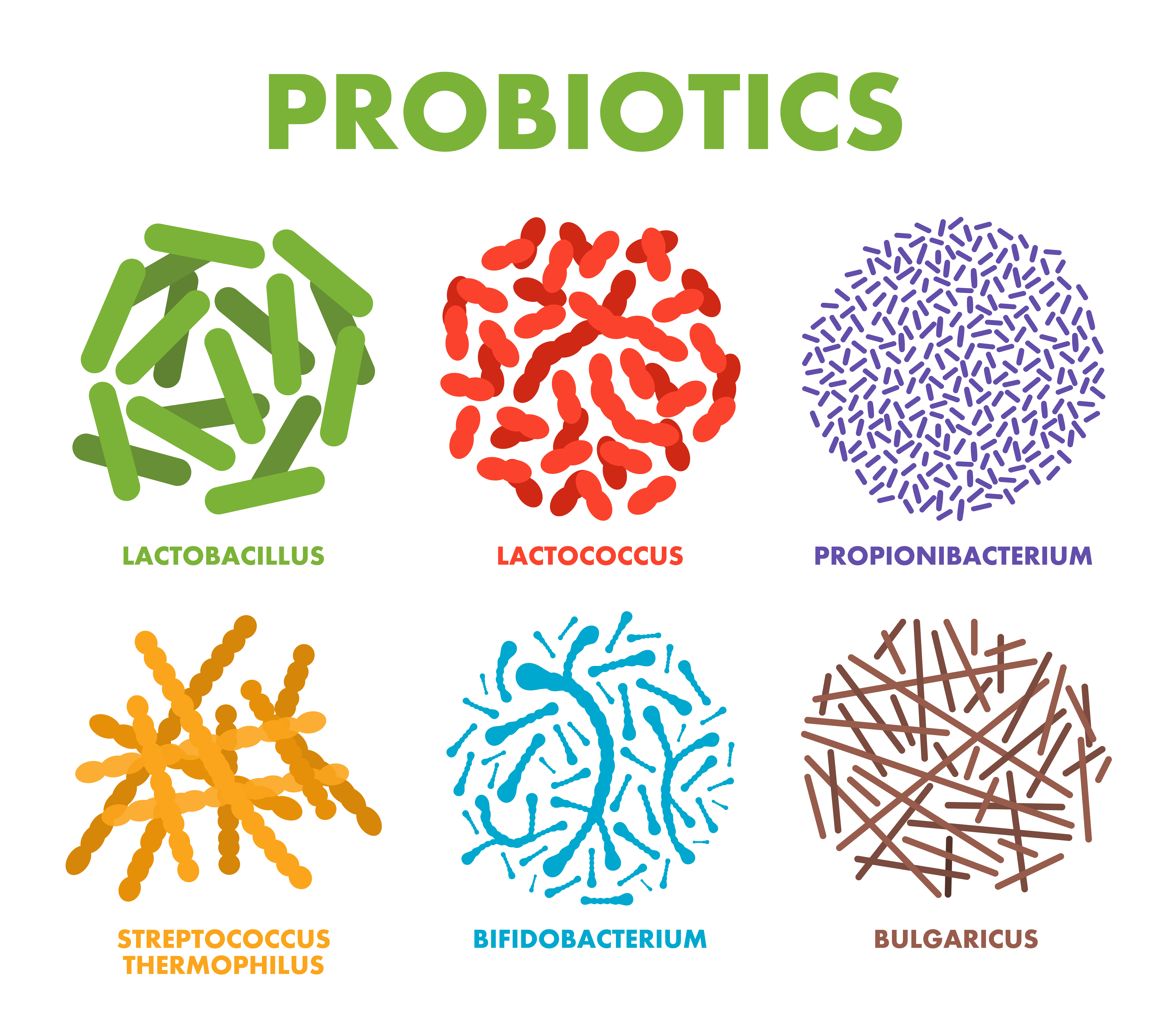
- Probiotic Yogurt and Kefir: Regular consumption of yogurt and kefir, particularly those containing strains like Lactobacillus and Bifidobacterium, can contribute to a healthier oral microbiome through systemic effects.
- Dietary Changes: Focus on a diet rich in fruits, vegetables, and whole grains to promote a healthy gut microbiome, which indirectly influences oral health.
- Consult Your Dentist: Discuss the use of probiotics with your dentist to determine if they're appropriate for your individual oral health needs and to rule out any potential interactions with existing medications or conditions.
While probiotics offer a promising natural approach to improving oral health, they are not a replacement for good oral hygiene practices. Brushing twice a day, flossing regularly, and visiting your dentist for checkups and cleanings remain essential components of maintaining a healthy and beautiful smile. Probiotics should be viewed as a complementary strategy to enhance the effectiveness of your existing oral care routine.

0 comments:
Post a Comment
Note: Only a member of this blog may post a comment.