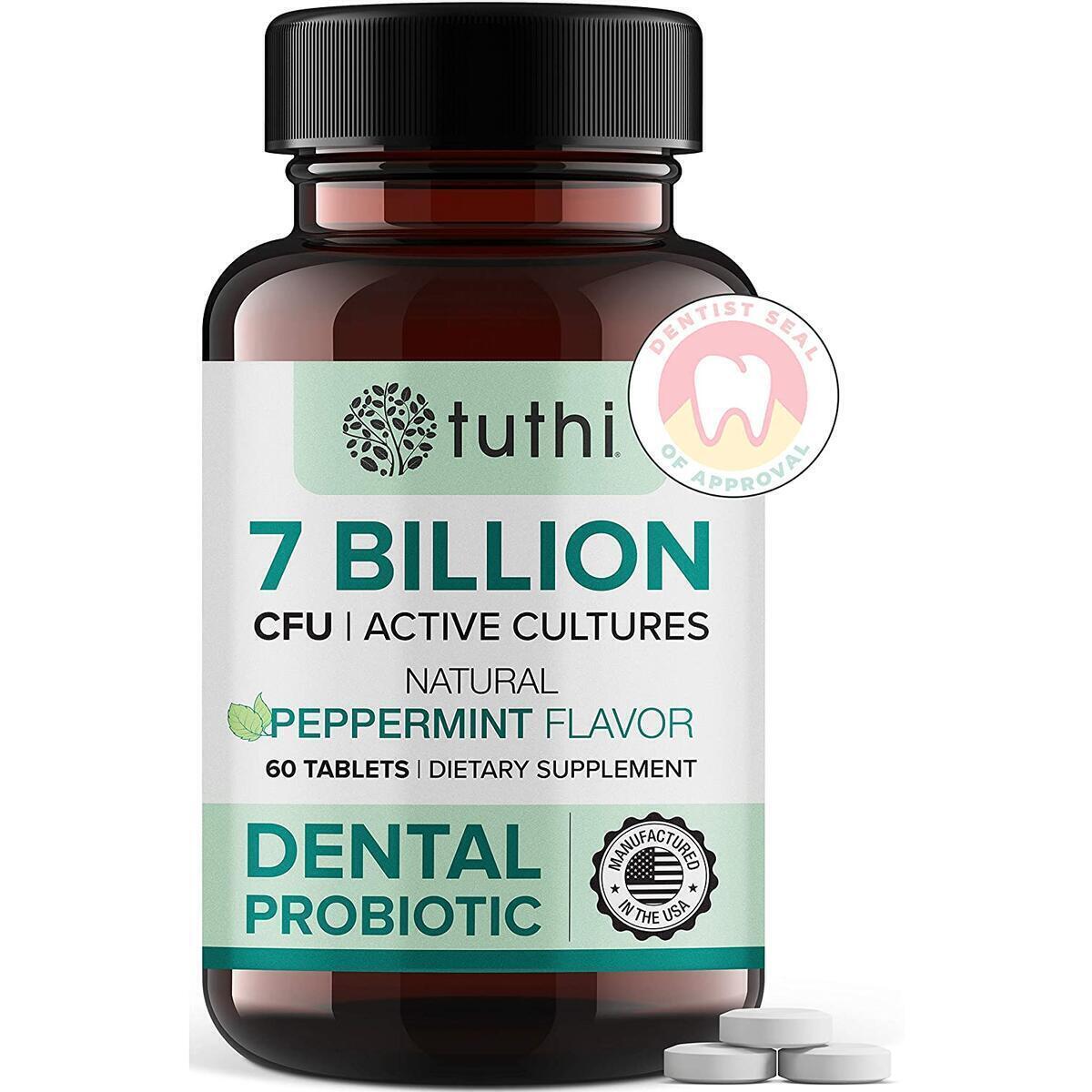
The Impact of Natural Probiotics on Gum and Teeth Health
Maintaining optimal oral hygiene is crucial for overall well-being, and while diligent brushing and flossing form the cornerstone of a healthy mouth, emerging research highlights the significant role of natural probiotics in bolstering gum and teeth health. These beneficial bacteria, naturally occurring in certain foods and supplements, offer a powerful, complementary approach to traditional oral care, promising a brighter, healthier smile.
Understanding the Oral Microbiome and its Imbalance
Our mouths teem with a complex ecosystem of bacteria, collectively known as the oral microbiome. A balanced microbiome, characterized by a diverse population of beneficial bacteria, is essential for maintaining oral health. However, disruptions to this delicate balance, often caused by poor diet, stress, or illness, can lead to an overgrowth of harmful bacteria. This imbalance, known as dysbiosis, paves the way for various oral diseases, including gingivitis, periodontitis, and dental caries (cavities).
The Role of Harmful Bacteria
Harmful bacteria produce acids that erode tooth enamel, leading to cavities. They also trigger inflammation in the gums, contributing to gingivitis and, if left untreated, periodontitisâ€"a severe gum disease that can damage the supporting structures of the teeth, potentially resulting in tooth loss. These detrimental effects underscore the critical need to restore and maintain a healthy balance within the oral microbiome.
How Natural Probiotics Benefit Gum and Teeth Health
Natural probiotics, ingested through specific foods or supplements, work to re-establish the equilibrium within the oral microbiome. They achieve this in several ways:
Competitive Inhibition
Beneficial probiotic bacteria compete with harmful bacteria for space and nutrients on the tooth surface and within the gum tissue. By outcompeting the harmful strains, probiotics effectively reduce their numbers and limit their ability to produce damaging acids and inflammatory compounds. This competitive inhibition is a key mechanism by which probiotics contribute to improved oral health.
Production of Antimicrobial Substances
Some probiotic strains produce antimicrobial substances, such as bacteriocins, that directly inhibit the growth of harmful bacteria. These naturally-occurring antibiotics provide an additional layer of defense against pathogens, further strengthening the mouth's natural defenses against disease.
Strengthening the Immune Response
Probiotics can modulate the immune response in the mouth, helping to reduce inflammation and prevent the progression of gum disease. They achieve this by stimulating the production of protective antibodies and reducing the release of inflammatory mediators, thereby promoting a healthier gum environment.
Sources of Natural Probiotics for Oral Health
Many foods naturally contain probiotics that can benefit oral health. These include:
- Yogurt (with live and active cultures): Certain yogurt varieties contain strains of Lactobacillus and Bifidobacteria that have shown promise in improving oral health.
- Kefir: This fermented milk drink contains a diverse array of beneficial bacteria and yeasts.
- Sauerkraut and Kimchi: These fermented vegetables are rich in probiotics, particularly Lactobacillus species.
- Kombucha: This fermented tea drink also boasts a variety of beneficial microbes.
Important Note: While incorporating probiotic-rich foods into your diet can be beneficial, it is crucial to remember that these are complementary to, not replacements for, good oral hygiene practices like regular brushing, flossing, and professional dental cleanings. Consulting a dentist or healthcare professional before starting any new probiotic regimen is always advisable.

0 comments:
Post a Comment
Note: Only a member of this blog may post a comment.